Below is a structured, practical comparison of paper tape, tissue tape, and film tape, focusing on material composition, performance characteristics, and typical industrial applications. This distinction is especially relevant in packaging, masking, electronics, printing, and general industrial use.
 |
 |
1. Paper Tape
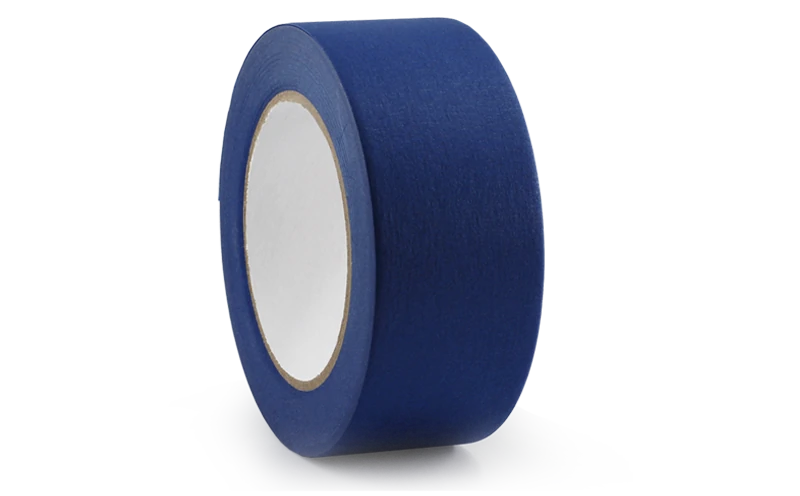
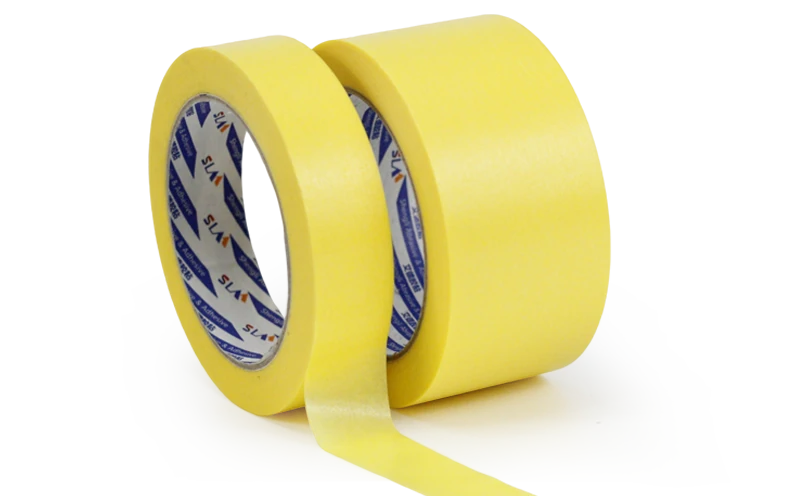
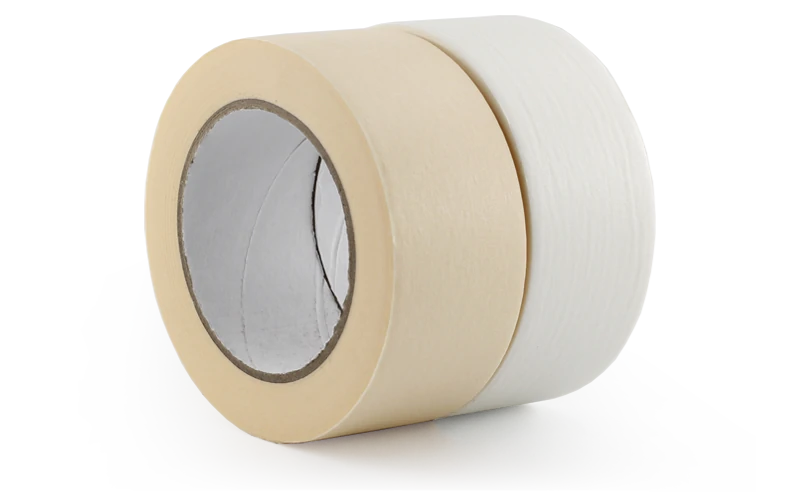
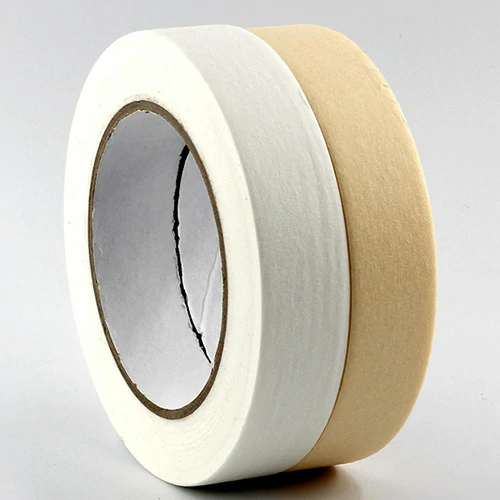
Paper tape uses a paper-based carrier. It is primarily designed for temporary applications or eco-friendly packaging.
Material & Structure
Paper tape is typically made from crepe paper, kraft paper, or flat paper, coated with a pressure-sensitive adhesive (rubber-based, acrylic, or hot melt).
Key Characteristics
- Moderate tensile strength
- Good conformability, especially crepe paper variants
- Breathable and writable surface
- Easy hand tear
- Generally low to medium adhesion
- Limited moisture and chemical resistance
Advantages
- Cost-effective
- Easy to remove with minimal residue (masking-grade)
- Eco-friendlier than plastic-based tapes
- Suitable for short-term applications
Limitations
- Poor water and humidity resistance
- Not suitable for long-term or outdoor exposure
- Lower durability under stress
Typical Applications
- Masking during painting and coating
- Light-duty packaging and carton sealing
- Labeling and temporary surface protection
- Arts, crafts, and office use
2. Tissue Tape
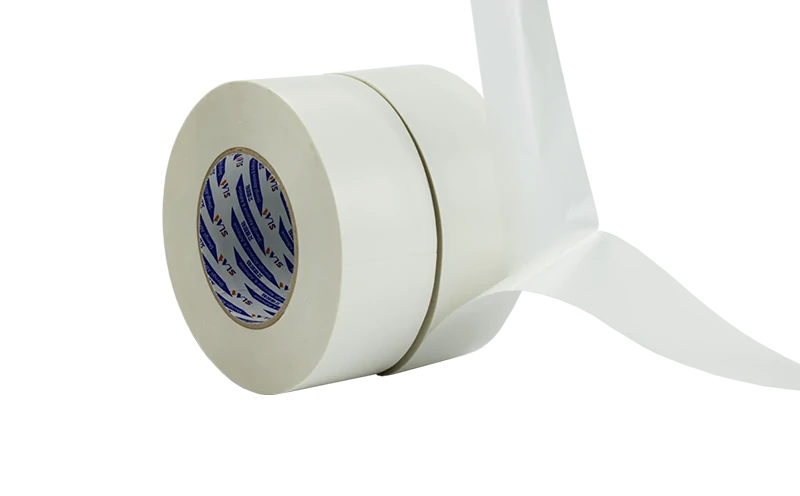
Tissue tape uses a very thin, non-woven tissue carrier. It is almost exclusively found as double-sided tape. Because the carrier is so thin, it is excellent for bonding two surfaces together without adding bulk.
Material & Structure
Tissue tape uses a lightweight, non-woven tissue paper carrier, usually thinner and softer than standard paper tapes, coated with acrylic or rubber-based adhesive.
Key Characteristics
- Extremely thin profile
- High flexibility and conformability
- Smooth surface with low bulk
- Moderate adhesion on smooth substrates
Advantages
- Excellent for bonding thin or delicate materials
- Minimal thickness buildup
- Easy die-cutting and laminating
- Good surface wet-out
Limitations
- Low tensile strength
- Poor resistance to moisture, heat, and solvents
- Not suitable for structural bonding
Typical Applications
- Laminating foams, films, fabrics, and papers
- Mounting nameplates, labels, and decorative elements
- Splicing in printing and paper processing
- Electronics and appliance assembly (light-duty)
3. Film Tape
Film tape uses a plastic-based carrier. It is the most diverse category, ranging from clear office tape to high-strength industrial bonding tapes.
Material & Structure
Film tape is manufactured with a plastic film backing, such as PET (polyester), PE (polyethylene), PVC, PP, or BOPP, combined with acrylic, rubber, or silicone adhesives.
Key Characteristics
- High tensile strength and dimensional stability
- Excellent moisture, chemical, and abrasion resistance
- Smooth, non-porous surface
- Available in transparent or colored versions
Advantages
- Strong, consistent adhesion
- Durable for long-term use
- Good performance in harsh environments
- Suitable for precision applications
Limitations
- Higher cost compared to paper and tissue tapes
- Less breathable
Harder to tear by hand (often requires tools)
Typical Applications
- Electrical insulation
- Electronics assembly and protection
- Packaging and carton sealing (BOPP)
- Surface protection and splicing
- Medical and cleanroom applications (specific grades)
Quick Comparison Table
| Feature | Paper Tape | Tissue Tape | Film Tape |
|---|---|---|---|
| Backing Material | Paper / Crepe Paper | Non-woven tissue | Plastic film (PET, PE) |
| Thickness | Medium | Very thin | Thin to medium |
| Tensile Strength | Low–Medium | Low | Medium–High |
| Moisture Resistance | Low | Very low | High |
| Conformability | Good | Excellent | Medium |
| Durability | Short-term | Short-term | Medium to long-term |
| Cost | Low | Low–Medium | Medium–High |
Selection Guidance
- Choose paper tape when removability, breathability, and cost are priorities.
- Choose tissue tape for ultra-thin bonding, laminating, or die-cut applications.Choose film tape when strength, durability, moisture resistance, or precision performance is required.
Not sure which tape fits your application? Talk to SLAA’s specialists and get a tailored recommendation.