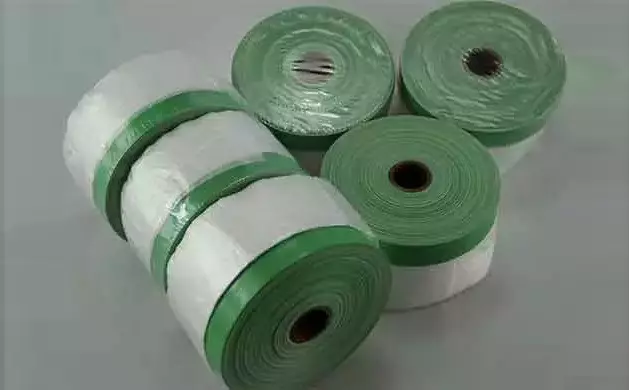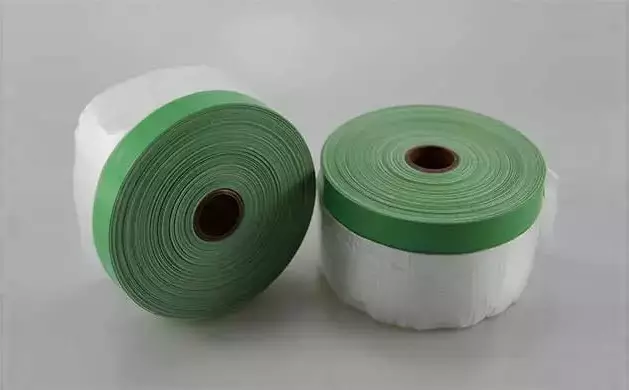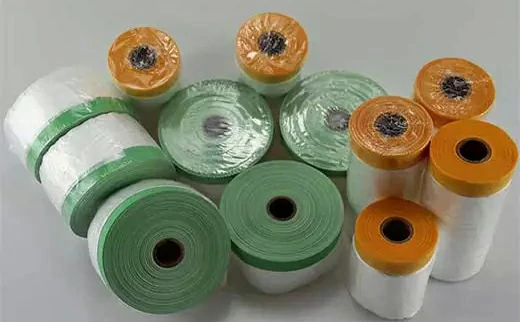
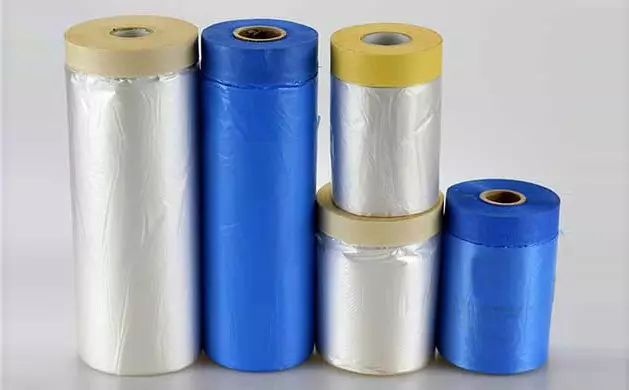
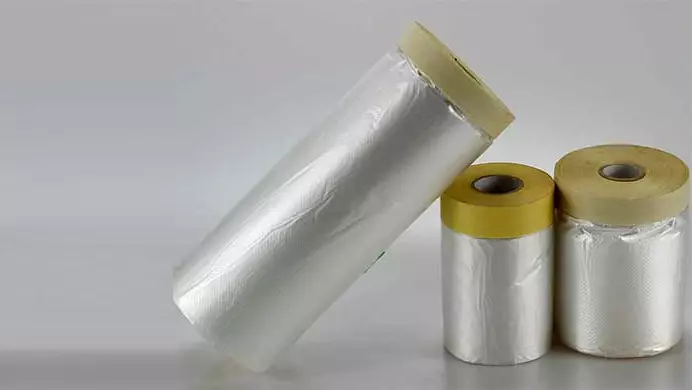
Washi Tape Masking Film is an advanced, time-saving surface preparation system designed for high-end architectural painting, commercial wall coatings, and automotive detailing. This innovative 2-in-1 product integrates an ultra-thin, razor-sharp washi tape border along one edge of a pre-folded, high-density polyethylene (HDPE) drop sheet. Equipped with a proprietary electrostatic coating, the film naturally clings to target surfaces to block wet overspray, dust, and fluid splatters, while its paper edge delivers perfect, low-profile color boundaries without bleed.
Manually applying separate lines of tape and large sheets of plastic drop cloths is tedious, labor-intensive, and prone to positioning alignment errors. Our premium Washi Tape Masking Film solves this industrial challenge by combining the precise edge detailing of authentic Japanese Washi paper with the broad surface coverage of heavy-duty masking film. The tape component utilizes an advanced, low-profile acrylic adhesive that seals firmly against smooth, rough, or slightly textured substrates, creating a tight physical barrier against high-pressure airless paint sprayers.
The integrated Washi Tape Film features an electrostatic static-cling treatment engineered directly into the folded plastic core. As the film is unrolled and unfolded, it generates an immediate static field that pulls the drop sheet flat against windows, cabinets, trim work, or flooring. This static lock eliminates flapping or displacement under windy environments or when exposed to heavy ventilation draft currents. Available in both translucent and colored film backings, the entire drop sheet can be rapidly laid down by a single operator, cutting prep times by more than half while guaranteeing flawless paint transitions and total residue-free cleanup.
To maximize coverage and achieve flawless lines with the pre-taped system, follow this professional sequence:
Unroll and Position: Pull out the required length of tape from the roll, aligning the integrated washi tape border precisely along the masking boundary of the target workspace.
Secure the Washi Edge First: Firmly press the pressure-sensitive washi paper tape onto the clean, dust-free surface, applying uniform hand pressure to activate the acrylic adhesive bond.
Unfold and Extend the Film: Once the top anchor edge is completely secured, pull open the multi-folded HDPE film down or across to instantly deploy the full drop sheet cover sheet.
Smooth Out for Static Lock: Gently slide your hands over the plastic film to remove major air pockets, letting the built-in static charge hug the underlying structure securely.
|
Product Code |
Size Width × Length |
Thickness Mic |
Package |
|
AD30W |
300mm × 33m |
33 |
50 Roll / Box |
|
AD55W |
550mm × 33m |
33 |
50 Roll / Box |
|
AD110W |
1100mm × 33m |
33 |
25 Roll / Box |
|
AD140W |
1400mm × 33m |
33 |
25 Roll / Box |
|
AD180 W |
1800mm × 33m |
33 |
25 Roll / Box |
|
AD270W |
2700mm × 20m |
17 |
25 Roll / Box |
Q1: What makes a washi tape masking film better than standard taped masking films?
A: Standard pre-taped films often use coarse crepe paper tape, which has a thicker profile that can cause paint to build up or bleed underneath the texturing. Our Washi Tape Film uses ultra-thin, smooth Japanese paper that adheres exceptionally flat to the surface, completely blocking fluid capillary action to create clean lines while remaining safe for delicate surfaces.
Q2: How does the static cling property function in outdoor or windy conditions?
A: The high-density polyethylene (HDPE) film undergoes a specialized electrostatic charging treatment during production. When you unfold the film, this charge generates an attraction that locks the plastic sheet tightly against walls or windows. While it effectively counters spray gun air blasts and indoor draft currents, for extreme outdoor wind gusts, we recommend securing the loose bottom corners with an additional strip of tape.
Q3: Can this masking film be used with solvent-based coatings and industrial paint primers?
A: Yes. The high-density plastic film and the premium acrylic adhesive backing are formulated to be highly chemical- and solvent-resistant, meaning they will not dissolve, degrade, or allow bleed-through when exposed to automotive urethanes, oil paints, or heavy primers.
Q4: Will the tape edge peel fresh paint or cure permanently if left on too long?
A: Our washi paper tape edge features a balanced low-to-medium tack pressure-sensitive adhesive that removes cleanly without lifting cured paint or delicate underlying coats. For best results on standard surfaces, it is recommended to pull the tape slowly within its rated window, or right after the final paint layer has achieved initial drying.