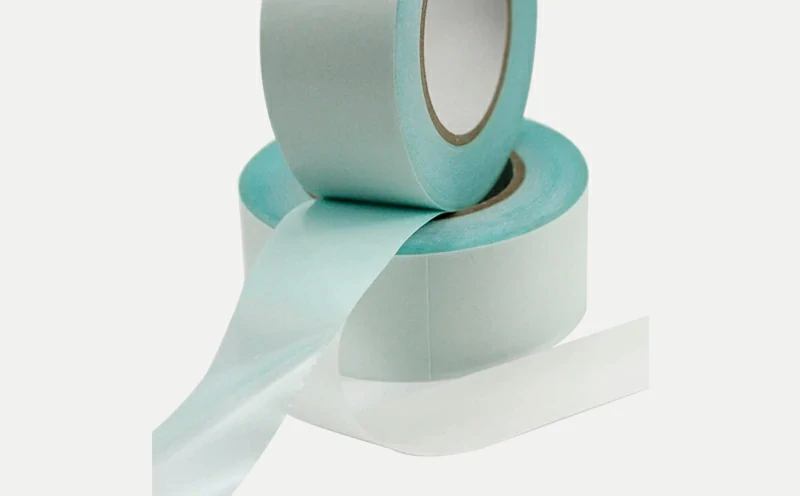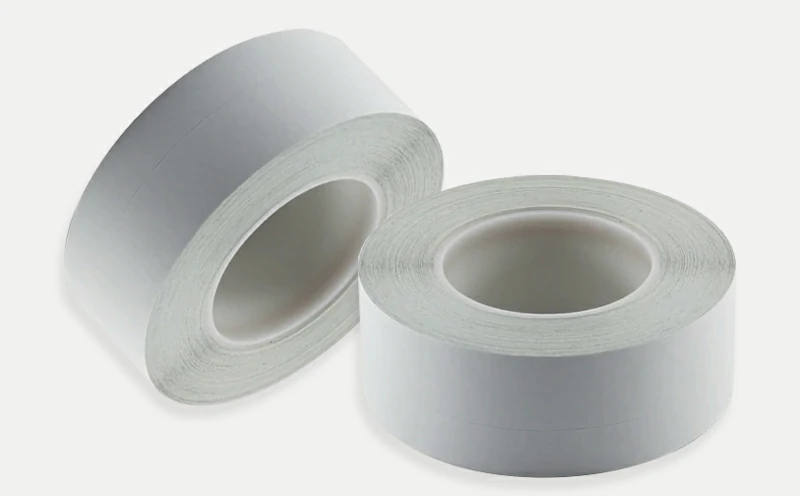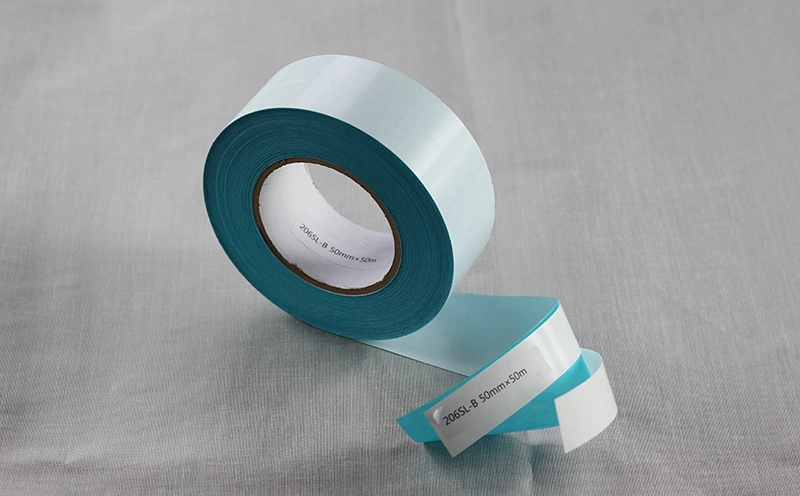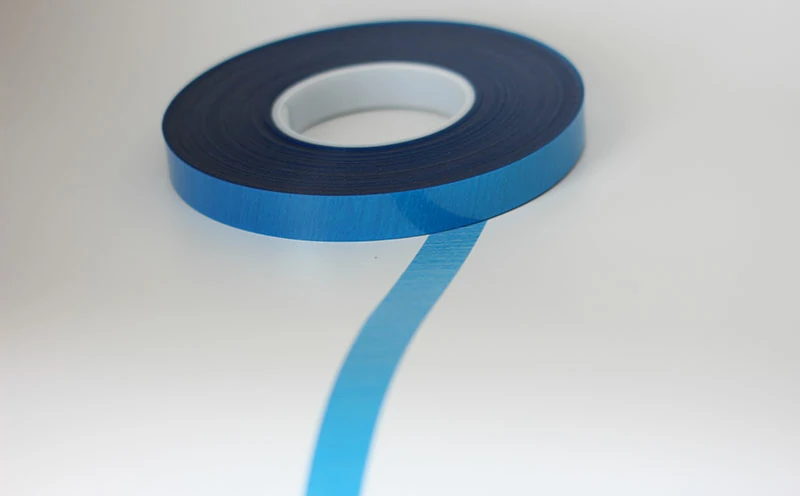
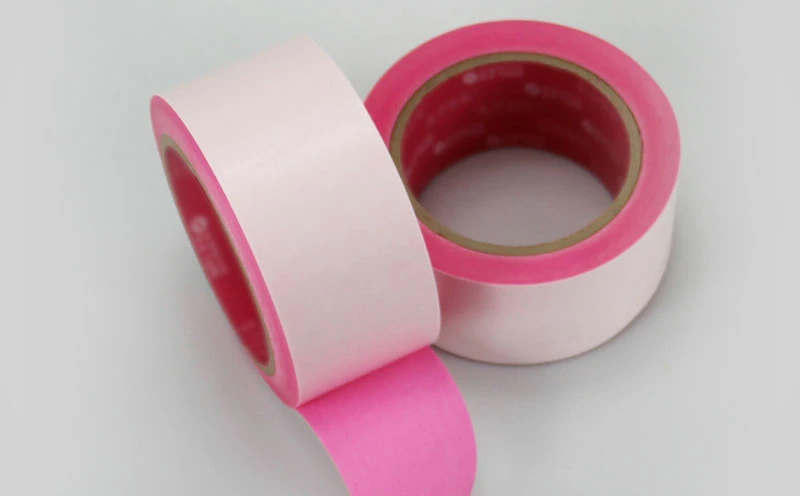
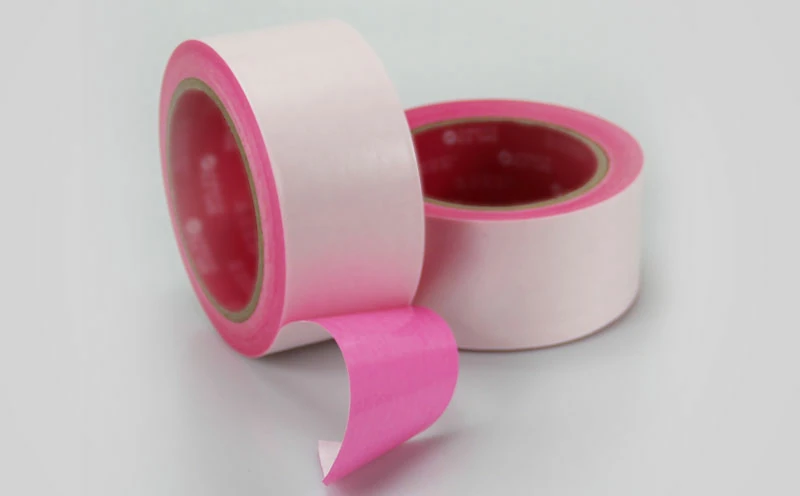
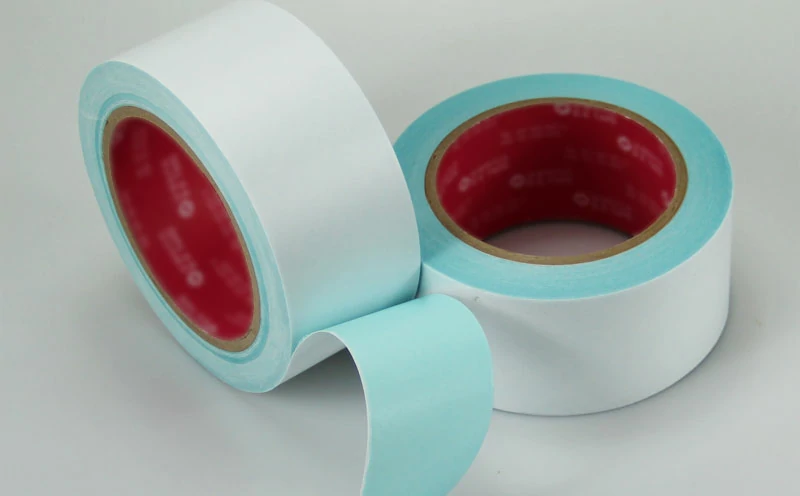
Optimize your paper processing and sustainability goals with our Double-Sided Repulpable Splicing Tape. Specifically engineered for the paper and printing industries, this tape provides a secure, seamless bond for splicing paper rolls. By utilizing a water-soluble, pressure-sensitive adhesive system on a paper or tissue-based carrier, our repulpable splicing tape ensures 100% recyclability and environmental compatibility without sacrificing adhesive strength.
Our double-sided splicing tape is the industry standard for maintaining continuous production cycles. Designed to integrate perfectly into the recycling process, this tape breaks down effortlessly during the pulping stage, preventing contamination and ensuring the integrity of recycled paper products. Whether you are performing high-speed flying splices or secure static overlaps, this tape provides a robust connection that minimizes disruption and protects the structure of your paper rolls.
This splicing tape is essential for efficient paper converting and printing operations, suitable for:
Flying Splices: Facilitates seamless transitions during high-speed production.
Overlapping Splices: Provides a strong, reliable bond where roll ends meet.
Core Starting & Reel Closing: Ensures secure initial attachment and clean final roll finishes.
Static Splicing: Ideal for stable, permanent bonding during stationary processes.
|
Adhesive |
Water soluble Modified Acrylic Adhesive |
||||||
|
Backing |
14g/㎡Repulpable Paper |
30g/㎡ |
14g/㎡ |
||||
|
Liner |
90 g/㎡ |
120 g/㎡ |
90 g/㎡ |
120 g/㎡ |
120 g/㎡ |
||
|
|
Silicone coated paper |
||||||
|
Product Code |
SW24-BG |
SW24-BCP |
SW24-RG |
SW30 |
SW24-TW |
||
|
Tape Thickness |
95±5um |
95±5um |
95±5um |
130±5um |
95±5um |
||
|
Tape color |
Blue |
Blue |
Red |
Blue |
Blue |
||
|
Ball tack at 25℃ |
Ball No.12 |
Ball No.18 |
|||||
|
Adhesion to Steel |
1,000gf/25mm |
2,150gf/25mm |
|||||
|
Heat Resistance |
150 ℃ |
120 ℃ |
|||||
Q1. Why is it important for the tape to be repulpable?
A: Using repulpable tape ensures that your splicing material does not interfere with the paper recycling process. It breaks down completely in the pulper, allowing you to produce high-quality recycled paper without contaminants.
Q2. Can this tape be used for high-speed operations?
A: Yes. Our tape is designed to provide a strong, reliable bond that holds up during high-speed printing and industrial processing operations.
Q3. How does a flying splice work with this tape?
A: For a flying splice, the tape is applied to the end of the new roll. The slitted liner is removed to expose the second side of the adhesive, allowing the new roll to overlap and join with the running web seamlessly.