Creating believable visual effects starts long before any footage reaches Adobe After Effects, DaVinci Resolve, or professional compositing software. Even the most advanced chroma key algorithms struggle when the backdrop contains wrinkles, inconsistent lighting, reflective surfaces, or visible seams. These seemingly minor imperfections create additional work during post-production, increase rendering time, and often reduce the overall quality of the final image.
For this reason, experienced filmmakers, photographers, broadcasters, and virtual production studios pay close attention to every component of the green screen setup—including the tape used to assemble it. Professional green screen tape is specifically engineered to produce nearly invisible seams while maintaining a uniform chroma surface. Unlike ordinary adhesive tapes that introduce glare or leave adhesive residue, Chroma key tape combines a carefully matched digital green color with a matte cloth backing to help cameras capture a seamless background.
This guide explains how professional Green gaffer tape improves chroma key performance, why ordinary tapes create problems, and how to achieve invisible seaming for film production using proven installation techniques.
What Is Green Screen Tape?
Green screen tape is a specialized adhesive tape developed specifically for chroma key production environments. It is primarily used to join multiple green screen panels, repair damaged backdrop fabrics, secure edges to frames or floors, and conceal seams that would otherwise become visible during filming.
Unlike conventional duct tape or packaging tape, professional green screen tape is manufactured with a carefully controlled chroma green color and a completely matte surface. These two characteristics are critical because chroma key software relies on consistent color information across the entire background. Any difference in color or light reflection can reduce keying accuracy and produce unwanted halos around the subject.
Most professional products use a durable cloth backing combined with a clean-removal rubber adhesive. This construction provides sufficient tensile strength for repeated installations while allowing the tape to be removed after production without damaging expensive backdrops.
Common Types of Chroma Key Tape
Different productions require different tape constructions depending on the backdrop material and shooting environment.
Green Gaffer Tape
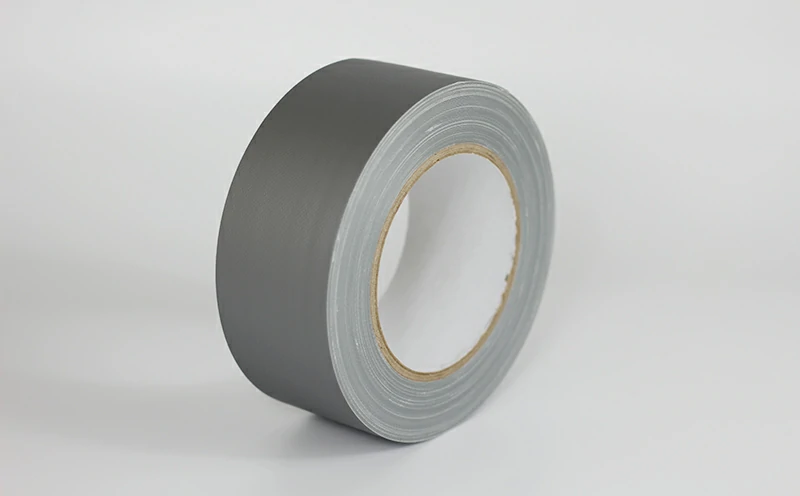
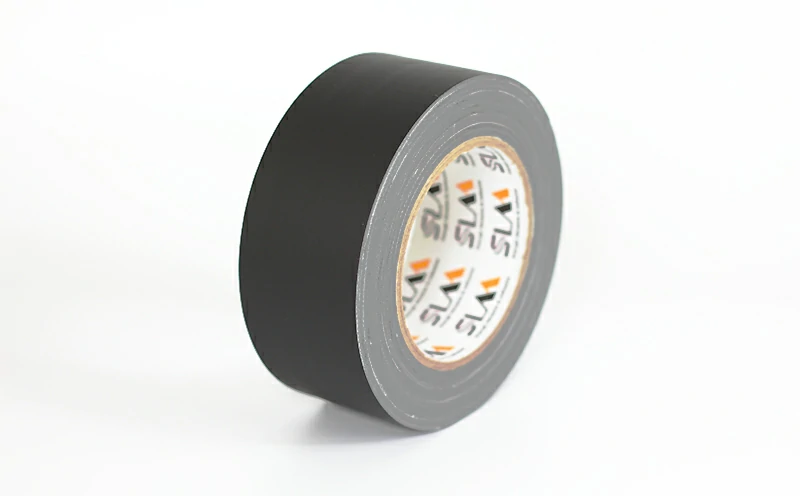
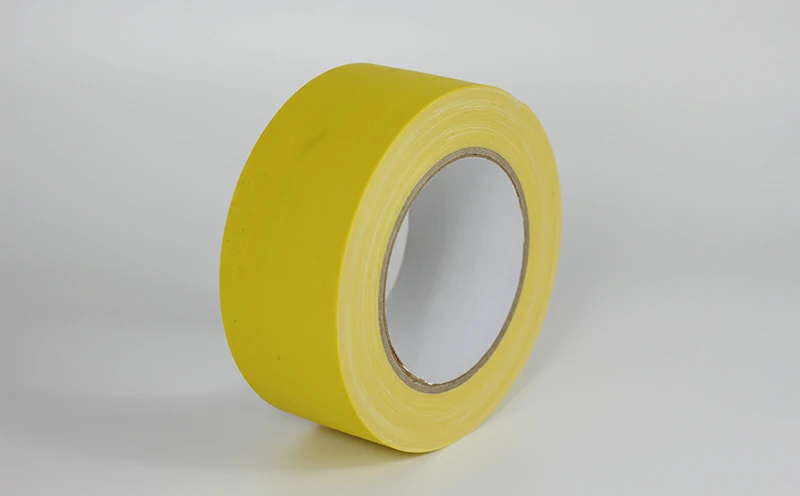
The most common professional solution is Green gaffer tape, featuring a heavy-duty cloth backing with a matte polyethylene coating. It offers strong temporary adhesion, excellent durability, easy hand tearing, and residue-free removal, making it suitable for studio floors, cyc walls, stage platforms, and reusable fabric backdrops.
Digital Green Gaffers Tape
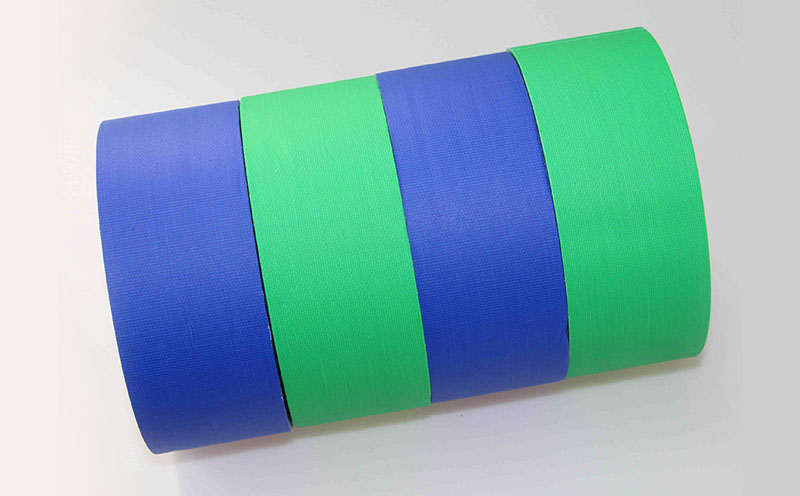
Designed specifically for modern digital cameras and chroma key workflows, digital green gaffers tape uses pigments that closely match industry-standard chroma green backgrounds. This minimizes color variation and helps editing software treat taped seams as part of a continuous background.
Matte Paper Chroma Key Tape
For lightweight paper backdrops or temporary masking, matte paper tape provides adequate adhesion while minimizing the risk of tearing delicate materials. Although it is less durable than cloth-backed products, it is suitable for short-term studio applications.
Why Ordinary Tape Doesn't Work on Green Screens
Many first-time users attempt to repair green screens using duct tape, painter's tape, or transparent packaging tape because these materials are inexpensive and readily available. Unfortunately, they often create more problems than they solve.
The most obvious issue is reflection. Glossy plastic surfaces produce specular highlights under studio lighting, creating bright hotspots that remain visible even after chroma key processing. Cameras interpret these reflections differently from the surrounding background, forcing editors to spend additional time correcting inconsistent keys.
Color mismatch presents another challenge. Standard tapes rarely match the precise green used for professional chroma key fabrics, resulting in visible seams that become increasingly noticeable when shooting in 4K, 6K, or 8K resolution.
Adhesive quality is equally important. Many consumer tapes leave sticky residue that attracts dust, contaminates reusable screens, and shortens the service life of expensive backdrops. Professional green screen tape, by comparison, combines a non-reflective finish, color consistency, and residue-free adhesive to maintain a clean working surface throughout repeated productions.
| Feature | Green Screen Tape | Duct Tape | Painter's Tape |
|---|---|---|---|
| Chroma Green Color | Excellent | Poor | Limited |
| Matte Finish | ✓ | ✗ | Partial |
| Low Reflection | Excellent | Poor | Moderate |
| Residue-Free Removal | Yes | Varies | Good |
| Professional Film Use | ✓ | ✗ | Limited |
How Green Screen Tape Creates Invisible Seams
One of the primary goals of professional backdrop installation is achieving invisible seaming for film production. Even a narrow gap or raised overlap can produce shadows that become difficult to eliminate during compositing.
Learning how to hide seams on a green screen begins with understanding how cameras record light. Modern cinema cameras capture subtle differences in luminance and surface texture that may not be visible to the naked eye. A reflective tape, a slight color variation, or an uneven joint can all interrupt the continuity of the chroma background.
Professional Chroma key tape solves these problems in several ways. Its matte surface diffuses incoming light rather than reflecting it directly into the lens, helping maintain even exposure across the backdrop. The carefully matched chroma green pigment reduces color variation, allowing keying software to recognize taped areas as part of the background instead of separate objects. In addition, the tape's thin, flexible cloth backing compresses overlapping materials and minimizes raised edges that cast shadows under directional lighting.
The result is a smoother, more consistent green screen that requires less post-production cleanup and produces cleaner edges around actors, props, and moving subjects.
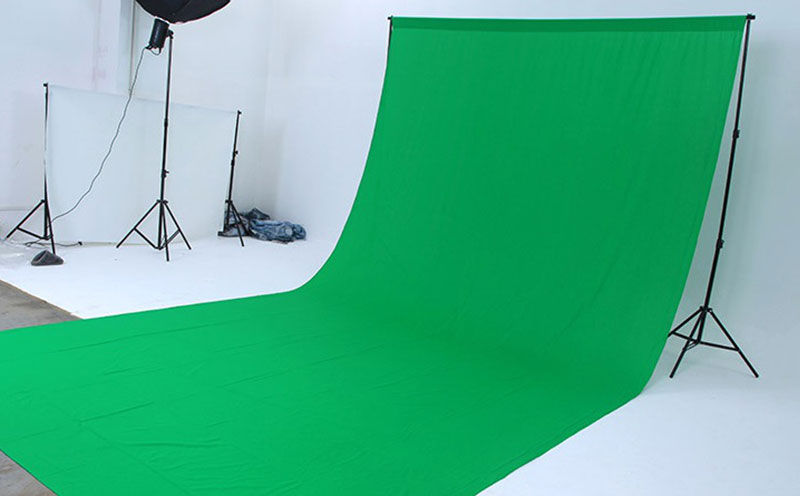
Best Tape for Chroma Key Backdrops
Selecting the right tape for chroma key backdrops requires evaluating four critical technical factors:
- Reflectance Level: The tape must feature a zero-glare, ultra-matte surface to prevent specular reflections under high-intensity LED or tungsten studio lighting.
- Color Accuracy: The pigment must align perfectly with standard digital green color space to allow automated chroma key plugins to key out the background in a single pass.
- Clean Removal: The rubber-based adhesive must offer strong temporary tack while peeling away cleanly without removing paint from studio walls or leaving residue on fabrics.
- Opacity: The backing must be sufficiently opaque to prevent dark underlying gaps, floor textures, or wooden framing from showing through the tape.
Step-by-Step Guide to Applying Green Screen Tape
Step 1: Clean the Backdrop
Remove dust, lint, debris, and moisture from the backdrop or studio floor surface using a microfiber cloth to ensure the adhesive achieves maximum contact.
Step 2: Stretch the Fabric Evenly
Pull fabric backdrops taut to remove wrinkles and sagging before taping, securing the perimeter with clamps or frame tensioners so the seam remains completely flat.
Step 3: Align the Tape Carefully
Align the tape centered over the seam or joint, keeping consistent tension along the roll to prevent the tape from twisting or bunching up during placement.
Step 4: Press Firmly Without Wrinkles
Smooth the tape down using firm hand pressure or a seam roller, working from the center outward to push out trapped air pockets and lay the edges flush against the substrate.
Step 5: Inspect Under Production Lighting
Turn on your main studio lights and review the seam through the camera monitor to verify that there are no hot spots, visible shadows, or color variations across the joint.
Common Green Screen Problems and Tape Solutions
Even experienced production teams occasionally encounter issues that reduce chroma key quality. Fortunately, most of these problems can be prevented through proper tape selection and installation.
Visible seams typically result from overlapping backdrop sections rather than butting the edges together. Applying a single strip of wide matte green screen tape over a flush joint eliminates shadow lines while maintaining a continuous chroma surface.
Reflective hotspots are usually caused by glossy tapes or plastic materials. Replacing them with professional digital green gaffers tape dramatically reduces glare and produces more consistent lighting across the background.
Floor wrinkles often appear after repeated foot traffic during filming. Heavy-duty cloth Green gaffer tape helps secure floor transitions while conforming closely to uneven surfaces.
In post-production, fuzzy edges frequently indicate slight differences in green color between the backdrop and repair tape. Choosing color-matched chroma key tape minimizes these inconsistencies and improves overall key quality.
How to Choose Professional Green Screen Tape
Professional productions should evaluate several performance characteristics before selecting chroma key tape. A durable cloth backing provides excellent flexibility while resisting tearing during installation and removal. High-quality rubber adhesives deliver strong temporary holding power without leaving residue after production.
The tape should also feature a true matte finish that eliminates unwanted reflections from studio lighting. Consistent chroma green pigmentation ensures accurate color matching across the entire backdrop, while sufficient opacity prevents underlying structures from becoming visible through the tape. Finally, easy hand tearability allows technicians to work efficiently during fast-paced studio setups without requiring additional cutting tools.
Conclusion
High-quality visual effects begin with meticulous preparation, and few accessories contribute more to a professional chroma key setup than properly selected green screen tape. By eliminating reflections, concealing seams, protecting reusable backdrops, and maintaining color consistency across the entire shooting surface, professional Chroma key tape significantly reduces post-production work while improving overall image quality.
From independent content creators to major film studios, production teams rely on Green gaffer tape to build cleaner, more reliable chroma key environments that support efficient editing and realistic visual effects. Investing in professional-grade tape is a small decision that delivers substantial benefits throughout every stage of production, from camera setup to the final composite.
SLAA manufactures professional Green gaffer tape specifically for film production, photography studios, television broadcasting, live events, and virtual production environments. Whether securing backdrop joints, repairing damaged screens, or organizing cables on set, SLAA digital green gaffers tape provides the durability, clean removal, and professional appearance required by demanding production teams.