Aluminum foil tape is widely used for HVAC duct sealing, insulation installation, vapor barrier sealing, pipe insulation, metal surface repair, and industrial applications. Its aluminum backing provides heat reflection, moisture and vapor resistance, while the adhesive and backing construction determine how well the tape performs in actual service conditions.
Choosing the right product, therefore, is not simply a matter of selecting the thickest or strongest tape. The correct choice depends on the application, substrate, aluminum foil tape adhesive, foil thickness, temperature range, mechanical requirements, and tape construction. This guide explains how to choose aluminum foil tape and how to match different aluminum foil tape types to specific applications.
What Is Aluminum Foil Tape?
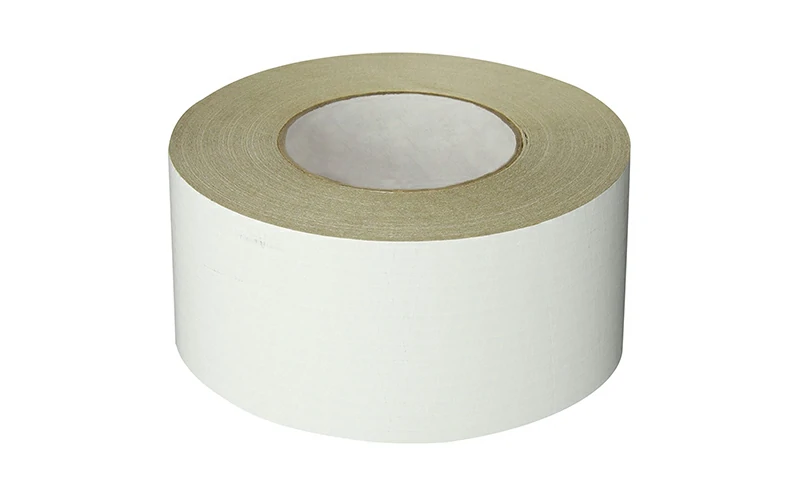
Aluminum foil tape consists of an aluminum foil backing coated with a pressure-sensitive adhesive. Depending on the construction, it may use plain aluminum foil, fiberglass scrim reinforcement, laminated plastic films, kraft-paper combinations, or a self-wound structure without a conventional release liner.
The aluminum backing can provide resistance to moisture and vapor transmission, radiant heat reflection, and protection for the bonded surface. Different backing structures offer different levels of flexibility, tensile strength, tear resistance, and puncture resistance. Meanwhile, the adhesive determines how effectively the tape bonds to a substrate and maintains performance under temperature and environmental conditions.
What Factors Should You Consider When Choosing Aluminum Foil Tape?
The best aluminum foil tape depends on where and how it will be used. Before selecting a product, evaluate these key factors.
1. Application and Substrate
Start by identifying what needs to be sealed or bonded. Foil tape for ductwork, for example, needs reliable adhesion and good conformability around seams and corners, while insulation applications may place greater emphasis on vapor and moisture resistance.
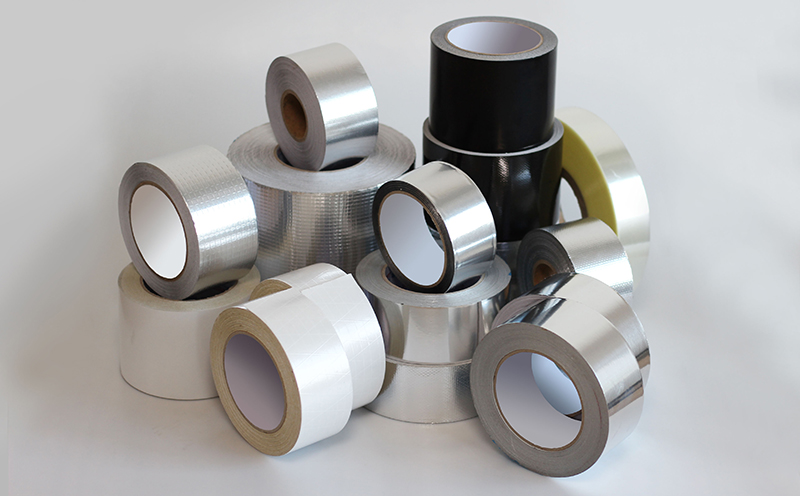
The document identifies several important aluminum foil tape types:
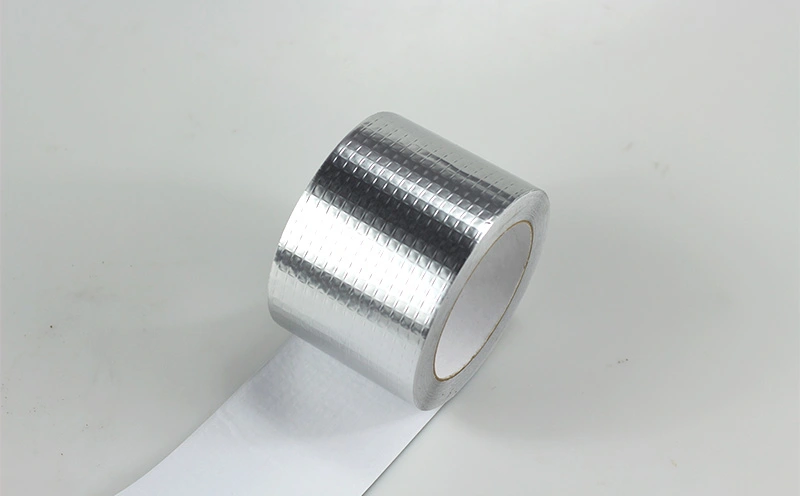
- Plain Aluminum Foil Tape: Made with pure dead-soft aluminum foil, this construction provides excellent conformability around tight corners, irregular joints, and curved pipe fittings. It is suitable for general surface masking and flat metal seams where flexibility and light reflectivity are important.
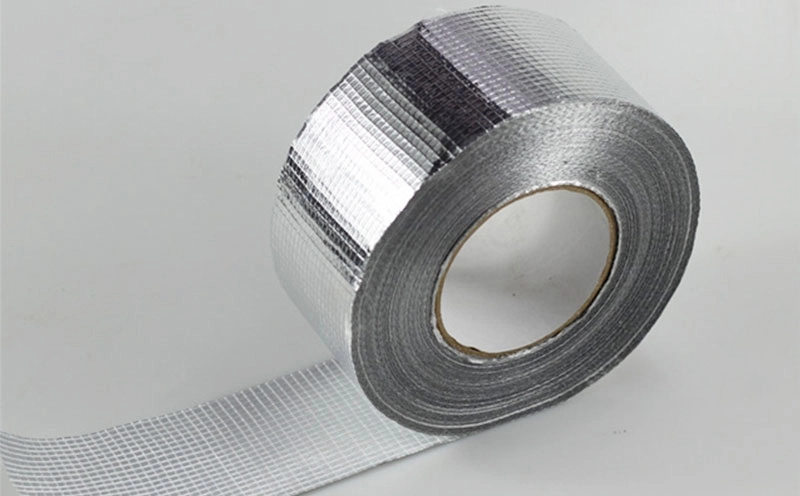
- Reinforced Fiberglass Aluminum Foil Tape: This construction incorporates woven glass fiber mesh or scrim into the backing, providing higher tensile strength and tear resistance. It is particularly suited to faced fiberglass duct board and heavy insulation jackets subject to mechanical movement.
- Laminated Foil Tape: Aluminum foil laminated with materials such as PET provides greater resistance to puncture, chemical exposure, and outdoor weathering, making it suitable for exposed exterior ductwork and subterranean pipe wrapping.
The substrate should always be considered alongside the application because the same tape construction may perform differently on metal, insulation facing, plastic, or other surfaces.
2. Aluminum Foil Tape Adhesive
Understanding how to choose aluminum foil tape adhesive is critical because adhesive performance directly affects bonding reliability and service life. Acrylic and rubber-based adhesives can provide different combinations of tack, temperature resistance, weatherability, and long-term adhesion.
Acrylic adhesives are commonly selected when long-term durability, environmental resistance, and stable performance are important. Rubber-based adhesives can provide high initial tack and strong adhesion across a range of substrates, making them useful when immediate bonding is a priority.
When evaluating an aluminum foil tape adhesive, consider:
- Initial tack
- Peel adhesion
- Temperature resistance
- Cold-weather adhesion
- Moisture resistance
- UV and weather resistance
- Required service life
- Substrate compatibility
Rather than choosing a tape simply because it has high initial tack, match the adhesive system to the actual installation and operating environment.
3. Aluminum Foil Tape Thickness
Aluminum foil tape thickness affects the balance between flexibility, conformability, durability, and mechanical strength. Thinner foil can be easier to manipulate around curves and irregular surfaces, while thicker foil generally provides greater physical robustness.
When considering how to choose aluminum foil tape thickness, think about the installation method and mechanical stresses the tape will experience. A thin foil may be appropriate for straightforward sealing where flexibility is important, while thicker foil or reinforced construction can be more suitable where the tape must resist tearing, puncturing, or repeated handling.
Also distinguish between foil thickness and total tape thickness. Adhesive and liner thickness contribute to the overall specification, so comparing only total thickness can produce a misleading assessment of the actual aluminum backing.
How to Choose Aluminum Foil Tape by Application
Different applications place different demands on tape performance. An application-first approach provides a practical way to narrow the available options.
| Application | Key Requirements | Suitable Tape Characteristics |
|---|---|---|
| HVAC duct sealing | Adhesion, flexibility, moisture resistance | Aluminum foil tape with suitable HVAC adhesive |
| Duct insulation | Vapor sealing, conformability | Aluminum foil or reinforced foil tape |
| FSK insulation | Strong facing-to-facing seal | FSK or reinforced foil-scrim construction |
| High-temperature sealing | Heat resistance, stable adhesion | High-temperature adhesive system |
| Irregular surfaces | Flexibility and conformability | Soft, flexible foil backing |
| Heavy-duty applications | Tear and puncture resistance | Reinforced aluminum foil tape |
| Large-area insulation | Efficient handling and application | Appropriate linerless or self-wound construction |
This approach is more reliable than selecting a tape based only on nominal thickness or adhesive strength.
How to Choose HVAC Aluminum Foil Tape
HVAC aluminum foil tape is commonly used for sealing ductwork, joining insulation materials, and creating moisture- and vapor-resistant seals. For standard duct sealing, the tape should adhere reliably to metal surfaces while conforming to seams and joints.
For duct insulation, the tape may also need to maintain a continuous vapor barrier and bond effectively to insulation facings. This makes substrate compatibility particularly important when sealing fiberglass, FSK, or other faced insulation systems.
Temperature should also be considered. HVAC systems can experience both hot and cold operating conditions, so the adhesive should be selected according to the expected service temperature rather than room-temperature performance alone. In colder environments, cold-weather adhesion becomes particularly important because a tape that performs well during normal indoor installation may not provide equivalent bonding performance on a cold substrate.

How to Choose the Best Aluminum Foil Tape for High-Temperature Sealing
High-temperature sealing requires more than a thick aluminum backing. The adhesive must remain stable at the expected temperature while maintaining sufficient adhesion.
When selecting the best aluminum foil tape for high temperature sealing, consider:
- Maximum continuous service temperature
- Short-term temperature exposure
- Application temperature
- Adhesive stability
- Substrate temperature
- Required service life
The maximum temperature stated in a technical specification should not automatically be treated as the recommended operating temperature. Exposure duration, substrate conditions, and installation environment can all affect actual performance. Always match the documented temperature range to the system's operating conditions.
Aluminum Foil Tape for Insulation and Vapor Barriers
Aluminum foil tape is frequently used with insulation systems because its foil backing can help maintain a continuous reflective and moisture-resistant surface. For aluminum foil tape for insulation vapor barrier applications, maintaining continuity across joints, overlaps, penetrations, and damaged areas is particularly important.
For fiberglass, mineral wool, FSK, and other faced insulation systems, tape selection should account for both the facing material and mechanical requirements. FSK insulation applications may benefit from Foil-Scrim-Kraft tape because its reinforced construction is designed to work with reinforced insulation facings. Where greater tear resistance is required, reinforced aluminum foil tape can provide additional mechanical strength.
Standard vs. Reinforced Aluminum Foil Tape
One of the most important distinctions among aluminum foil tape types is whether the backing is standard or reinforced.
Standard aluminum foil tape consists of foil backing and adhesive and is suitable for many general sealing applications. Its flexibility allows it to conform to seams and relatively irregular surfaces.
Reinforced aluminum foil tape incorporates scrim or another reinforcement into the backing. This improves resistance to tearing and puncture and can make the tape more suitable for demanding insulation, HVAC, and industrial applications. However, reinforcement is not automatically necessary for every sealing job; it should be selected when the application requires additional mechanical strength.
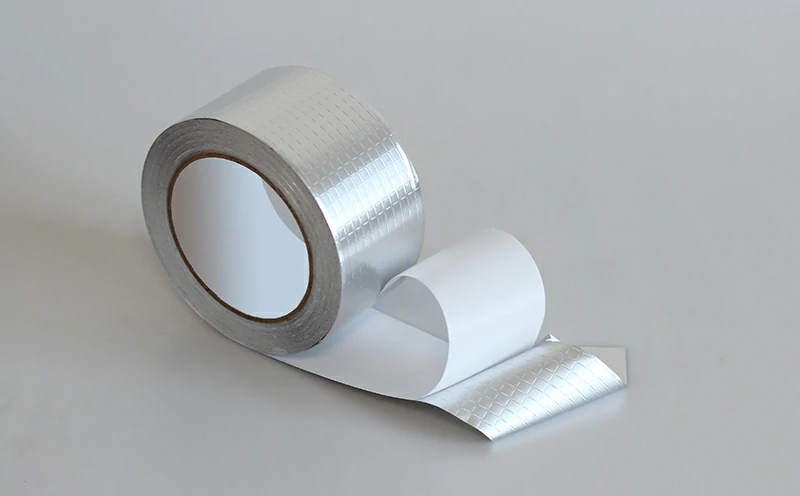
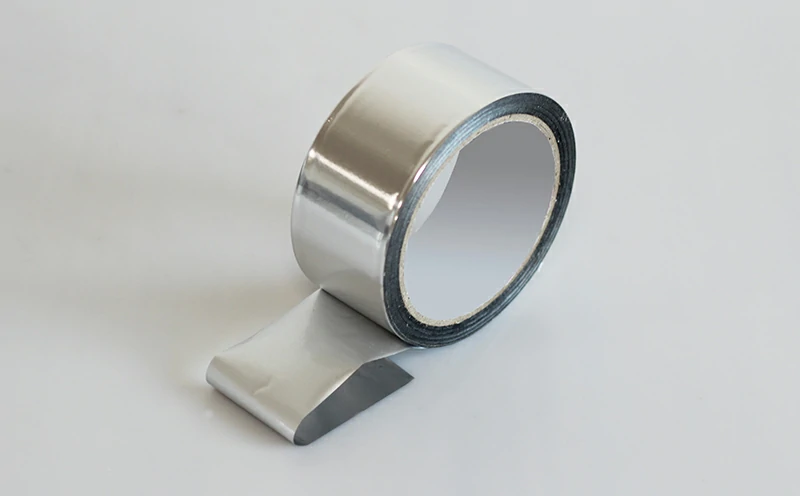
Linered vs. Self-Wound Aluminum Foil Tape
Tape construction can also affect installation efficiency. Conventional aluminum foil tape may use a release liner to protect the adhesive before application. The liner is removed during installation to expose the pressure-sensitive adhesive.
Self-wound or linerless aluminum foil tape is wound so that the adhesive side is protected by the reverse side of the tape. This construction can simplify handling and reduce liner waste, particularly when long continuous runs are required. The right option depends on the installation method, application speed, handling requirements, and desired level of adhesive exposure control.
 |
 |
A Practical Aluminum Foil Tape Selection Process
If you are unsure how to choose aluminum foil tape, follow a structured selection process rather than comparing products by a single specification.
Step 1: Identify the application. Determine whether the tape will be used for HVAC ductwork, insulation, vapor sealing, high-temperature sealing, repair, or another purpose.
Step 2: Identify the substrate. Determine whether the tape will bond to aluminum, galvanized steel, insulation facing, plastic, painted surfaces, or another material.
Step 3: Determine the temperature range. Consider both the temperature during installation and the expected service temperature.
Step 4: Select the adhesive system. Compare acrylic and rubber-based adhesive technologies according to tack, temperature resistance, weatherability, and service requirements.
Step 5: Select the foil thickness. Choose a foil thickness that provides the required balance of flexibility and mechanical durability.
Step 6: Determine whether reinforcement is necessary. If the application requires higher tear or puncture resistance, consider reinforced aluminum foil tape or foil-scrim constructions.
Step 7: Select the appropriate construction. Choose between linered, linerless, self-wound, or other specialty constructions according to the installation process.
This process turns a broad product search into a practical technical specification.
Conclusion
When evaluating a product, consider the complete performance profile: application, substrate, adhesive, foil thickness, temperature, moisture exposure, mechanical requirements, and installation method. Matching these factors to the tape construction can improve sealing reliability and reduce the risk of premature failure.
If you need help selecting a suitable solution, provide SLAA with your application, substrate, operating temperature, required thickness, and installation conditions. These details provide a practical basis for identifying the appropriate aluminum foil tape construction for your project.