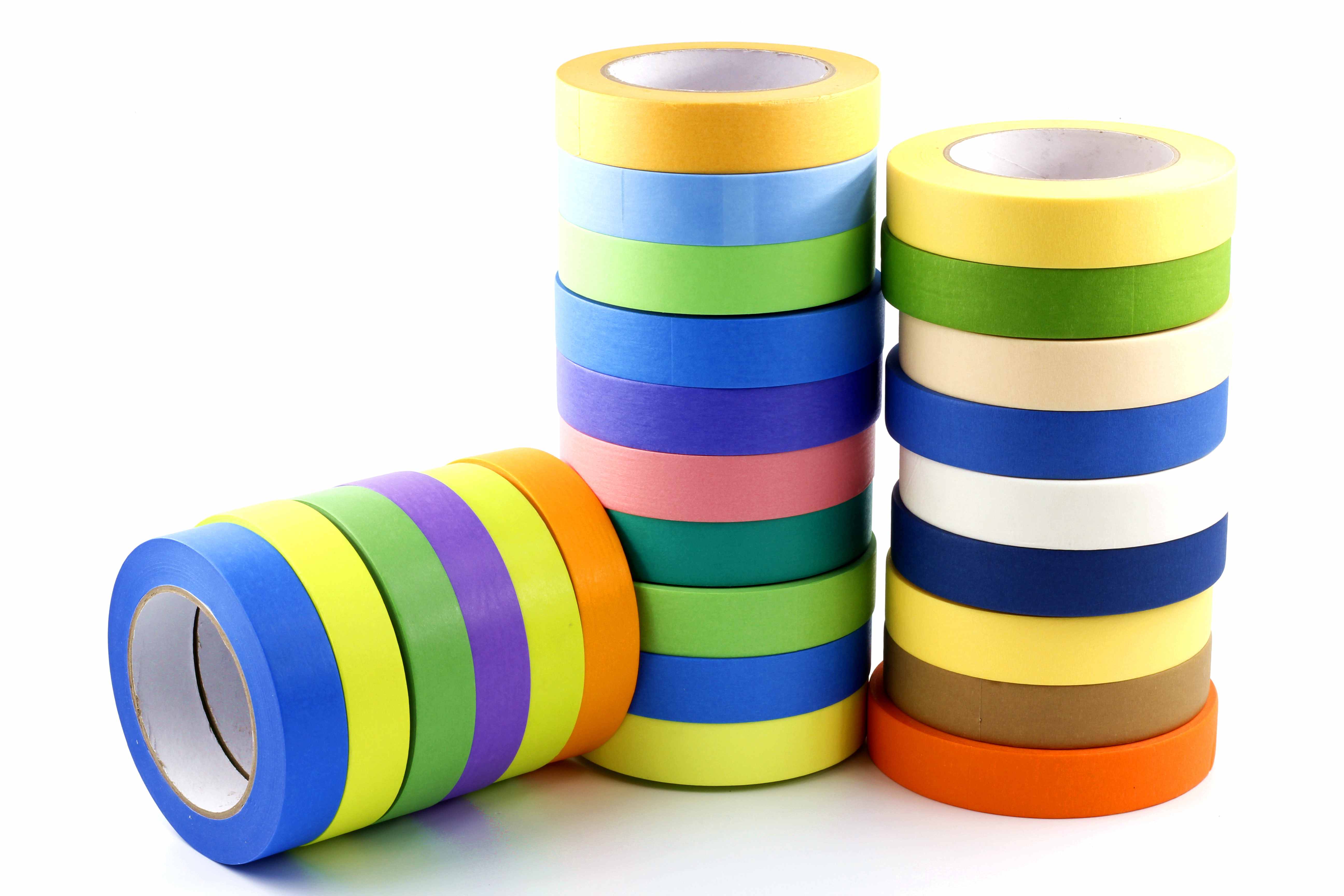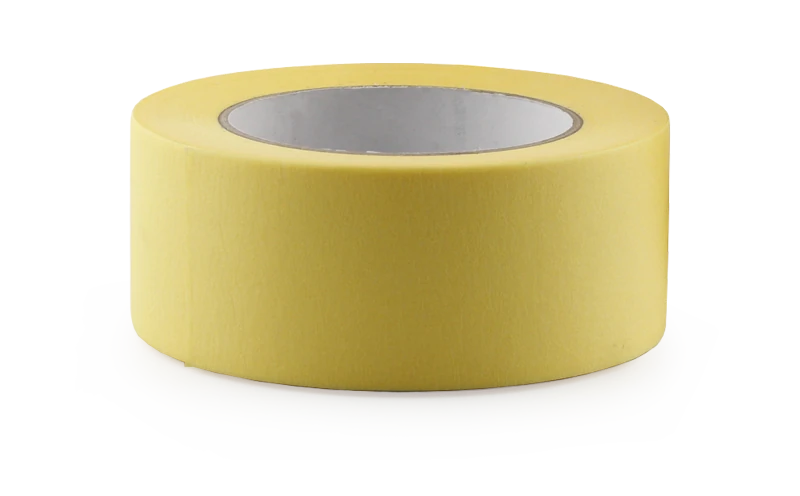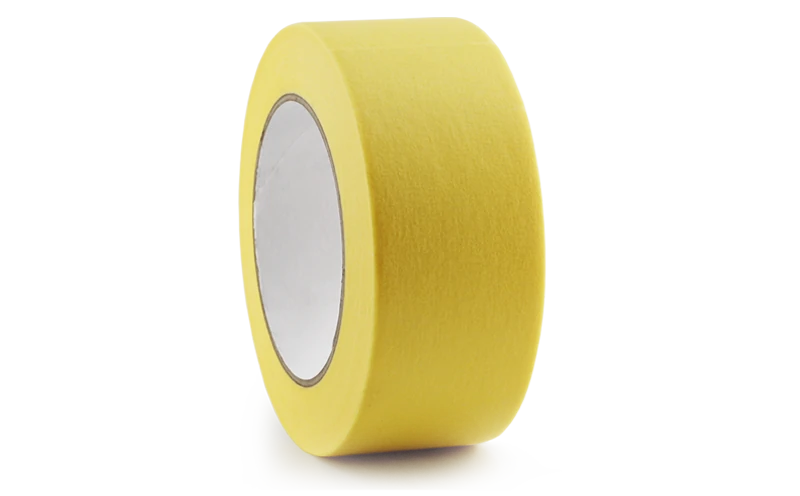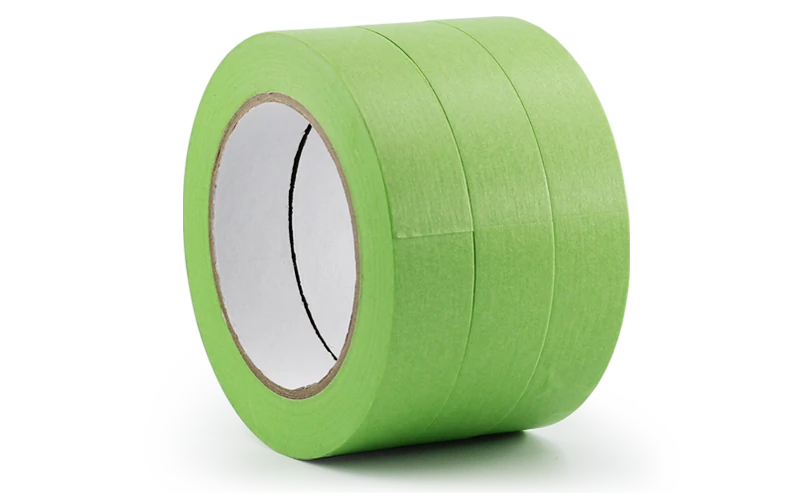
Achieving a flawless paint finish isn’t just about premium paint—it’s about precision preparation. The best painters tape acts as your first line of defense against paint bleed, uneven edges, and surface damage. Choosing the right tape means matching adhesion strength, backing material, and performance features to your specific surface.
This guide breaks down how to select the best painters tape for every surface, helping both DIY users and professionals achieve clean, professional results.
What Makes the Best Painter’s Tape?
Before choosing, understand the key performance criteria:
- Adhesion Level: Low (delicate surfaces) to high (rough surfaces).
- Backing Material: Crepe paper, washi paper, or heavy-duty film.
- Edge Sealing: Prevents paint bleed for sharp lines.
- Clean Removal: No residue or surface damage.
- UV & Weather Resistance: Essential for outdoor use.
Best Painter’s Tape by Surface Type
1. Painters Tape for Delicate Surfaces
When working with wallpaper, decorative finishes, or freshly painted walls (less than 30 days old), you need painters tape for delicate surfaces to avoid peeling or damage. Sensitive Surface Painter’s Tape Often made from high-quality Washi paper, these tapes are ultra-thin to ensure sharp lines without lifting the underlying finish.
Key Features:
- low-adhesion.
- Gentle adhesive.
- Clean removal (7–14 days typical).
- Ultra-thin backing for crisp lines.
Best Use Cases:
Fresh paint.
Wallpaper.
Decorative finishes.
Choose Sensitive Surface Painters Tape for maximum protection.
2. Painters Tape for Rough Surfaces
Rough materials (Concrete, Brick, Stucco) need high-adhesion painter’s tape that can grip uneven textures.
Key Features:
- Strong adhesive grip.
- Thick, flexible backing.
- Weather resistance.
Ideal for:
- Best painters tape for concrete.
- Best painters tape for brick.
- Exterior masonry.
3. Best Painters Tape for Textured Walls
Textured drywall (e.g., orange peel) can cause paint bleed if not sealed properly. Look for tapes with edge-sealing technology to prevent bleed on orange peel or knockdown finishes.
Key Features:
- Medium to high adhesion.
- Edge-sealing capability.
- Flexible backing.
Pro Tip: Press tape firmly into grooves to prevent seepage.
4. Best Painters Tape for Wood
Wood surfaces vary from smooth finished trim to rough raw timber.
Key Features:
- Medium adhesion for finished wood.
- High adhesion for rough wood.
- Residue-free removal.
Best for:
Trim, baseboards, cabinetry.
Note:
For smooth trim, baseboards, and cabinetry, a medium-adhesion tape ensures residue-free removal.
If the wood is rough-sawn or unpainted, a higher-tack version is necessary to prevent the edges from lifting.
5. Best Painters Tape for Interior Walls
For standard indoor painting, medium-adhesion tape is the industry standard.
Key Features:
- Sharp paint lines.
- Easy repositioning.
- Clean removal.
Ideal for:
Drywall and plaster.
6. Best Painters Tape for Ceiling
Ceilings require tape that resists gravity while maintaining clean edges.
Key Features:
- Medium adhesion with strong initial tack.
- Anti-drip edge sealing.
- Easy removal.
Best for:
Wall-to-ceiling transitions.
7. Best Exterior Painters Tape
Outdoor projects demand durability under sun and weather exposure. Unlike interior tapes, these can be removed cleanly even after exposure to direct sunlight for 14 to 30 days.
Key Features:
- UV-resistant (14–30 days).
- Waterproof backing.
- Strong adhesion.
Best for:
Outdoor wood, brick, siding.
Types of Painter’s Tape Explained
- Crepe Paper Tape: Flexible, general-purpose.
- Washi Tape: Ultra-thin, ideal for precision edges.
- Heavy-Duty Tape: For rough/exterior surfaces.
- Sensitive Surface Tape: Low tack for delicate areas.
How to Choose the Best Painters Tape
When selecting the best painters tape, consider:
- Surface Type – Smooth, rough, or delicate.
- Project Location – Interior or exterior.
- Paint Type – Latex, oil-based, specialty coatings.
- Application Time – How long tape stays applied.
- Environmental Factors – Heat, humidity, UV exposure.
Pro Tips for Using Painter’s Tape
- Surface Prep: Surfaces must be clean, dry, and free of dust or oil to ensure proper adhesion.
- The Test: Always perform a test on an inconspicuous area to check for surface compatibility.
- Application: Press the tape down firmly, especially at the edges, to activate the seal.
- Removal: Pull the tape at a 45-degree angle. For the best results, remove it while the paint is still slightly wet or according to the manufacturer’s specific duration limits.
- Follow Time Limits: Avoid leaving tape on too long.
Common Mistakes to Avoid
- Using high-adhesion tape on delicate surfaces.
- Applying tape to dusty or wet surfaces.
- Leaving tape on beyond recommended time.
- Not sealing edges on textured surfaces.
Conclusion
The best painters tape depends entirely on your surface and project conditions. Whether you need painters tape for delicate surfaces or heavy-duty solutions for concrete and brick, the right choice ensures clean lines, efficient work, and professional-quality results.
Ready to achieve the perfect edge? Explore the full range of SLAA professional-grade tapes. From high-tack masonry solutions to delicate Washi paper, we provide the precision you need for any project. Shop SLAA today for results that stick!