Painter’s tape is an essential tool for achieving crisp paint lines, protecting surfaces, and delivering professional-quality results. However, with so many types of painter’s tape available—varying by color, adhesion level, and application - choosing the wrong tape can result in paint bleed, surface damage, or stubborn residue.
This guide explains the different types of painter’s tape, their pros and cons, and how to choose painter’s tape based on surface, environment, and project duration - whether you’re a DIY homeowner or a professional contractor.
What is Painter’s Tape?
Painter’s tape is a pressure-sensitive masking tape engineered for clean removal without damaging surfaces. Unlike standard masking tape, which uses high-tack adhesive that can harden over time, painter’s tape is designed to balance adhesion and removability.
Most painter’s tapes can remain in place from 14 to 120 days (depending on type) and still peel off cleanly - making them ideal for painting projects that require precision and surface protection.
Why Painter’s Tape Matters in Painting Projects
Using the correct types of tape for painting delivers measurable benefits:
1. Clean, Sharp Paint Lines
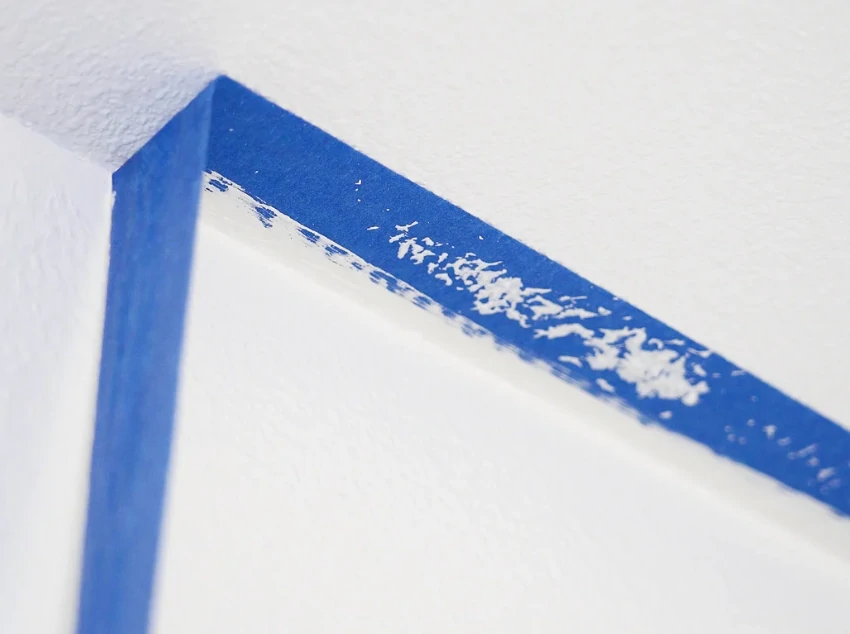
Creates crisp edges between colors and prevents paint bleed.
2. Surface Protection
Protects trim, glass, hardware, and finished surfaces from drips and overspray.
3. Easy, Residue-Free Removal
Removes cleanly without tearing paint or leaving adhesive behind.
4. Broad Application Range
Suitable for walls, ceilings, wood, metal, glass, and exterior surfaces.
Types of Painter’s Tape by Color: Pros & Cons
In professional painting, color indicates function. Below is a breakdown of the most common types of painter’s tape by color.
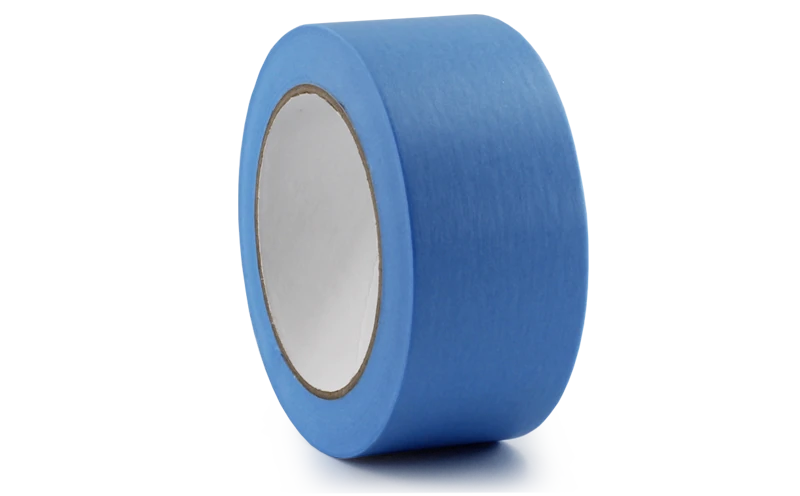
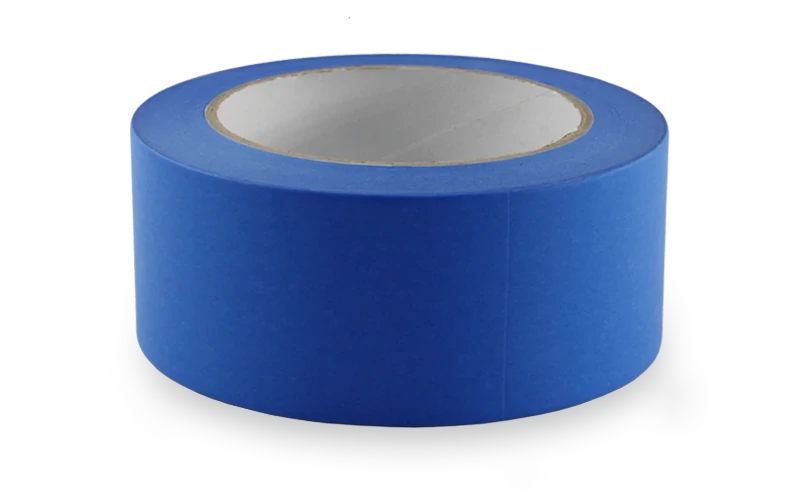
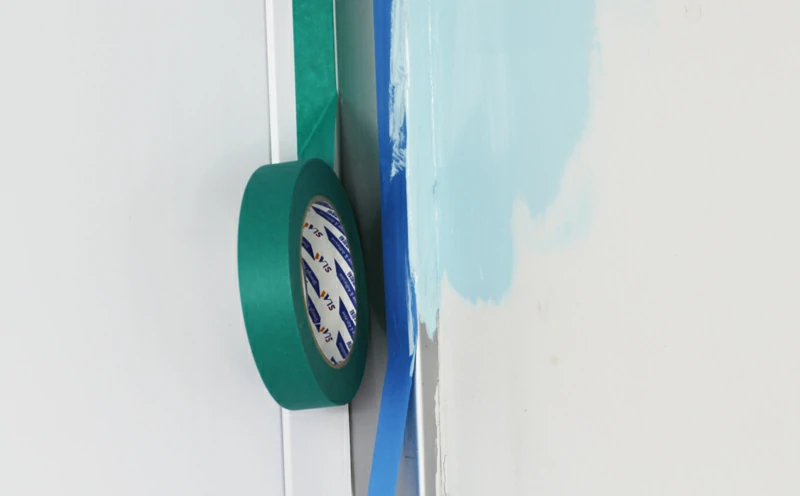
Blue Painter’s Tape (Multi-Surface)
Best for: General interior and exterior painting
Pros
- Medium adhesion for wood, glass, metal, and trim
- UV resistant for outdoor use
- Clean removal without residue
Cons
- May be too aggressive for fresh paint or delicate wallpaper
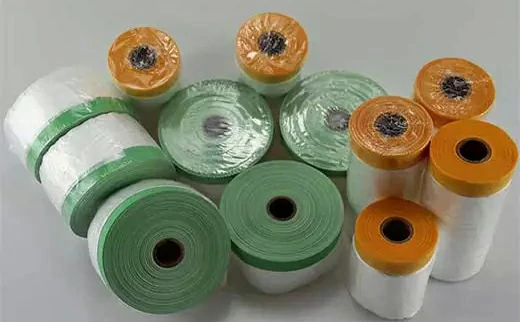
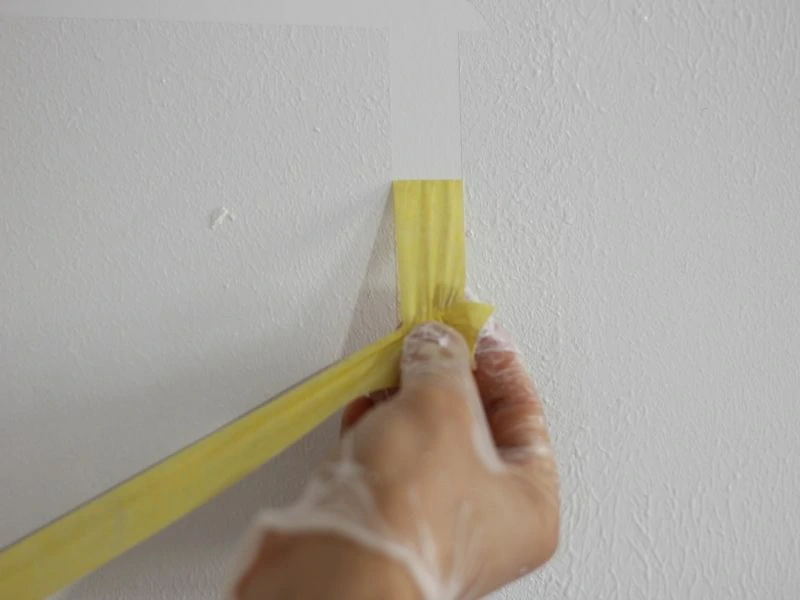
- Yellow / Gold Painter’s Tape (Delicate Surfaces)
Best for: Fresh paint (over 24 hours old), wallpaper, decorative finishes
Yellow / Gold Painter’s Tape (Delicate Surfaces)
Best for: Fresh paint (over 24 hours old), wallpaper, decorative finishes
Pros
- Very low tack prevents surface damage
- Ultra-thin backing for sharp paint lines
- Excellent conformability
Cons
- Limited holding power on rough or dusty surfaces
Green Painter’s Tape (Precision & Extended Removal)
Best for: Fresh paint, cabinets, wallpaper, detailed patterns
Pros
- Low adhesion minimizes paint pull-off
- Clean removal up to 60–120 days indoors
- Ideal for precision masking
Cons
- Not suitable for rough surfaces or outdoor exposure
Types of Painter’s Tape by Application
Understanding the types of painter’s tape by application is essential for achieving clean paint lines, protecting surfaces, and avoiding costly rework. Different types of tape for painting are engineered with specific adhesion levels, backing materials, and removal windows to match the surface and environment. Choosing the wrong option can result in paint bleed, torn drywall, or adhesive residue.
Below is a practical breakdown of the different types of painter’s tape based on where and how they are used.
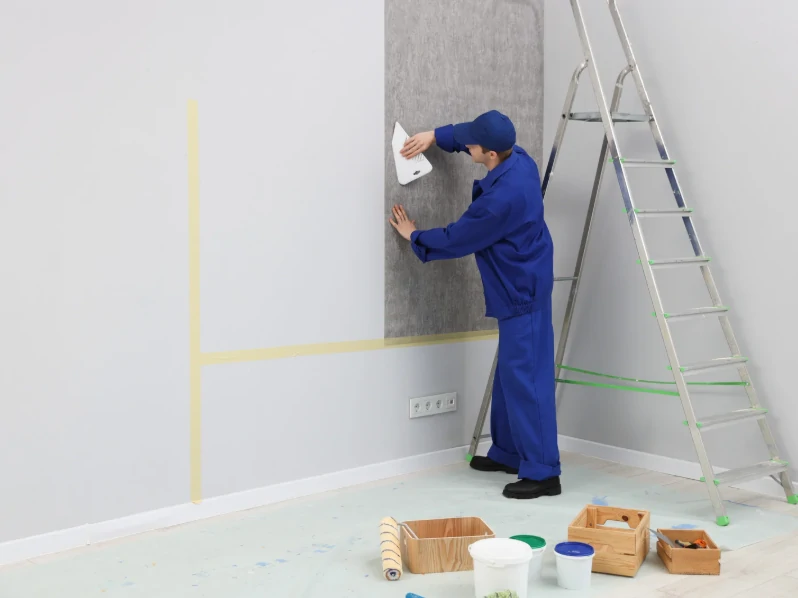
Delicate Surface Painter’s Tape (Low-Tack Painter’s Tape)
Best for: Freshly painted walls (24–72 hours old). Wallpaper and decorative finishes. Veneers, cabinets, and drywall
Why choose it:
This type of painter’s tape uses a low-tack adhesive designed to prevent surface damage. It removes cleanly even after extended periods, making it ideal for precision interior work.
Pros:
- Minimizes paint lifting and surface damage
- Ultra-thin backing for sharp paint lines
- Clean removal up to 60–120 days (indoor)
Cons:
- Not suitable for rough or dusty surfaces
- Lower holding power for heavy masking
Multi-Surface Painter’s Tape (Medium-Tack Painter’s Tape)
Best for: Painted walls, trim, wood, metal, and glass. General interior and exterior painting projects.
Why choose it:
This is the most commonly used option and often considered the best balance when learning how to choose painter’s tape for everyday projects.
Pros:
- Reliable adhesion on most smooth surfaces
- UV-resistant for short-term outdoor use
- Easy removal without residue
Cons:
- May be too aggressive for fresh paint or wallpaper
- Not designed for long-term exterior exposure
Exterior Painter’s Tape (High-Performance / UV-Resistant Tape)
Best for: Outdoor walls, siding, brick, stucco, and trim. Projects exposed to sunlight, moisture, and temperature changes.
Why choose it:
Exterior painter’s tape is specifically engineered to withstand harsh conditions while maintaining strong adhesion.
Pros:
- UV, moisture, and temperature resistant
- Strong adhesion on rough or textured surfaces
- Clean removal after prolonged outdoor exposure
Cons:
- Stronger adhesive may damage delicate finishes
- Not recommended for fresh interior paint
Precision & Edge-Lock Painter’s Tape (Sharp-Line Painter’s Tape)
Best for: Decorative patterns and color blocking. Accent walls and detailed design work.
Why choose it:
Designed for ultra-clean edges, this type of tape for painting seals tightly to prevent paint bleed.
Pros:
- Produces the sharpest paint lines
- Excellent conformability around curves and corners
- Ideal for professional-grade finishes
Cons:
- Typically higher cost
- Requires careful surface preparation
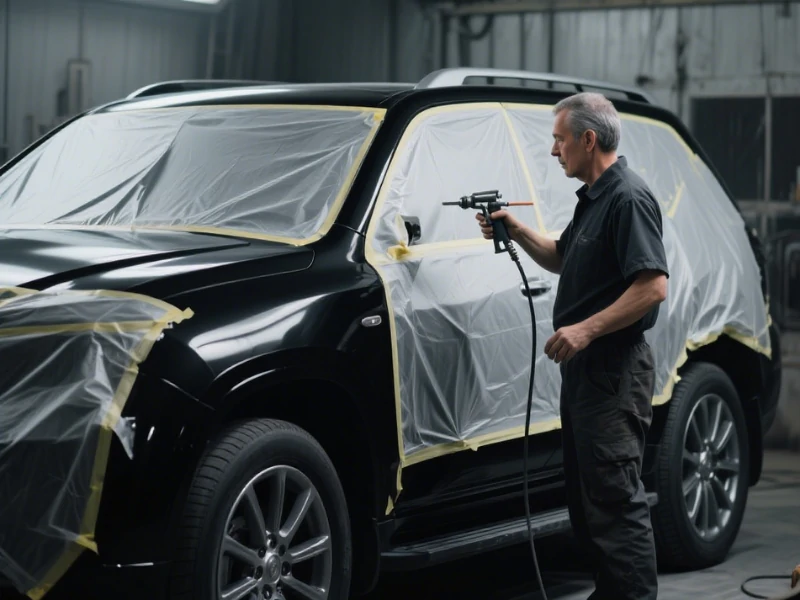
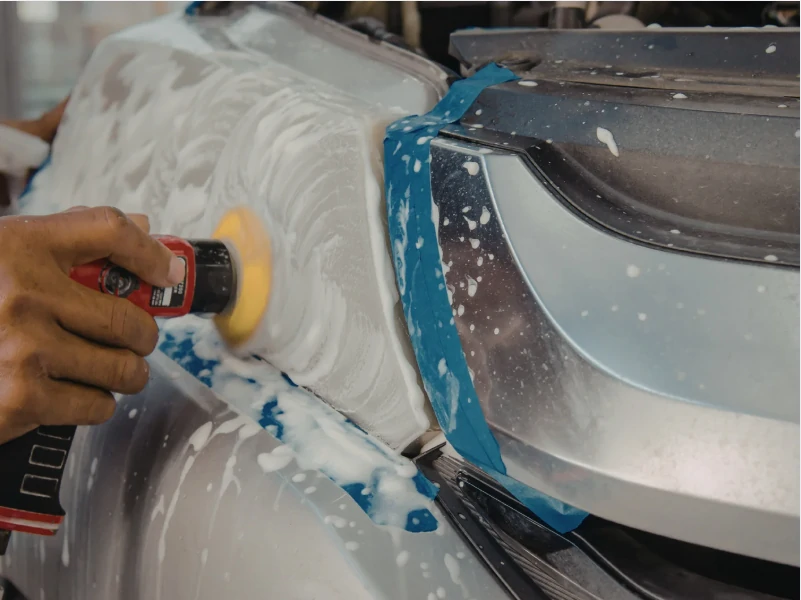
Automotive Masking Tape (High-Temperature Painter’s Tape)
Best for: Vehicle painting and refinishing. Industrial or professional spray applications.
Why choose it:
Automotive painter’s tape is engineered for heat, solvents, and high-pressure paint systems.
Pros:
- Heat resistant (often 110°C or higher)
- Solvent and water resistant
- Clean removal after bake cycles
Cons:
- Over-engineered for household use
- Higher price point
How to Choose Painter’s Tape: Key Factors
When selecting among the different types of painter’s tape, consider the following:
1. Surface Type
- Smooth surfaces: low-to-medium tack
- Rough or textured surfaces: high-tack tape
2. Duration of Application
Match the clean-removal rating (same-day, 14-day, or 120-day) to your project timeline.
3. Indoor vs Outdoor Use
Choose UV-resistant tape for exterior or sun-exposed areas.
4. Precision Requirements
Decorative lines require thin, delicate tapes; general masking allows wider, stronger tapes.
5. Paint Compatibility
Ensure resistance to latex, oil-based, or high-performance coatings.
Painter’s Tape Buying Checklist
✔ Surface-safe adhesion
✔ Clean removal window matches project length
✔ UV and temperature resistance if required
✔ Proper width and flexibility
✔ Proven edge-sealing performance
Conclusion
Understanding the types of painter’s tape and their specific applications is essential for clean finishes, efficient workflows, and surface protection. By learning how to choose painter’s tape based on adhesion, environment, and surface type, you can avoid common painting mistakes and achieve professional results every time.
Looking for reliable painter’s tape you can trust?
Explore SLAA’s professional-grade painter’s tape solutions, engineered for clean removal, sharp lines, and consistent performance across interior, exterior, and specialty applications.
👉 Contact SLAA today to find the right tape for your next project.