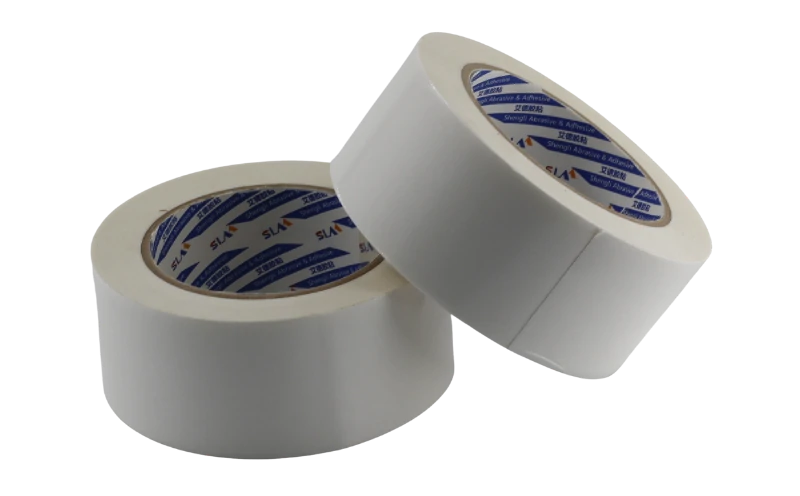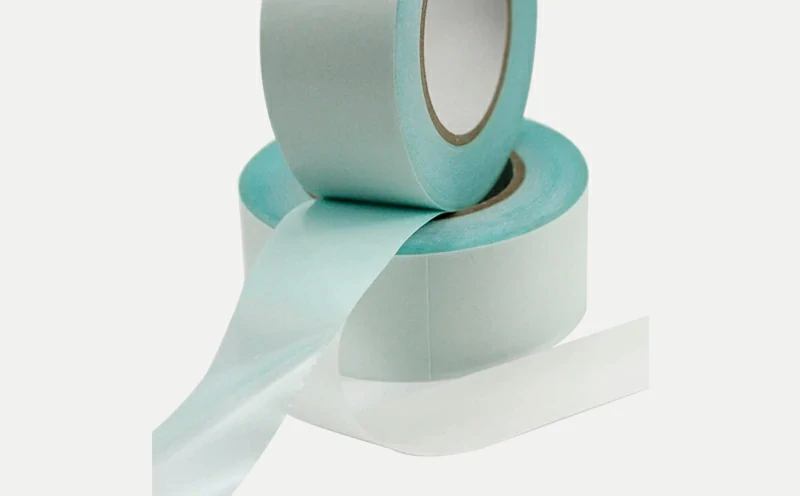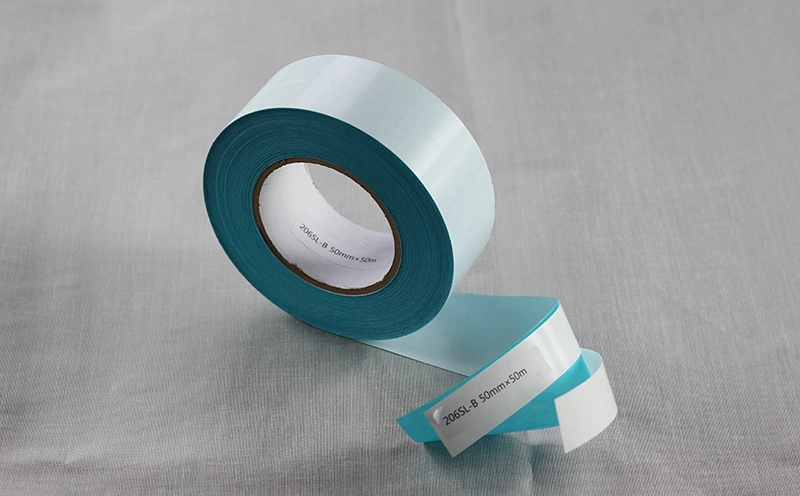
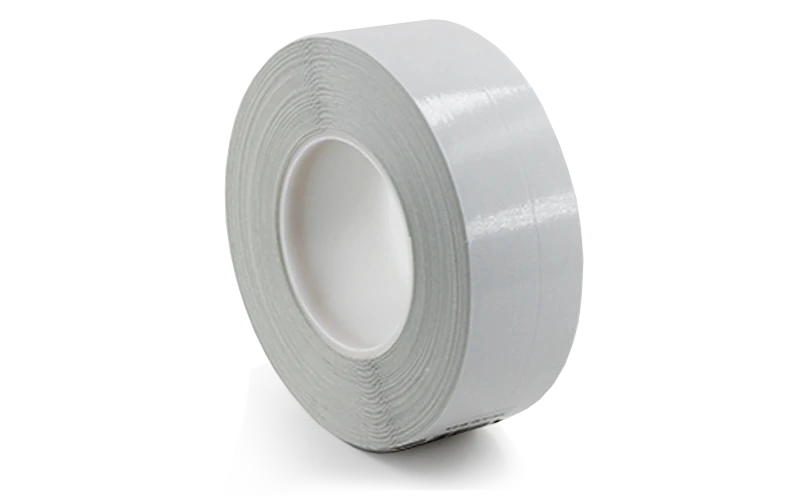
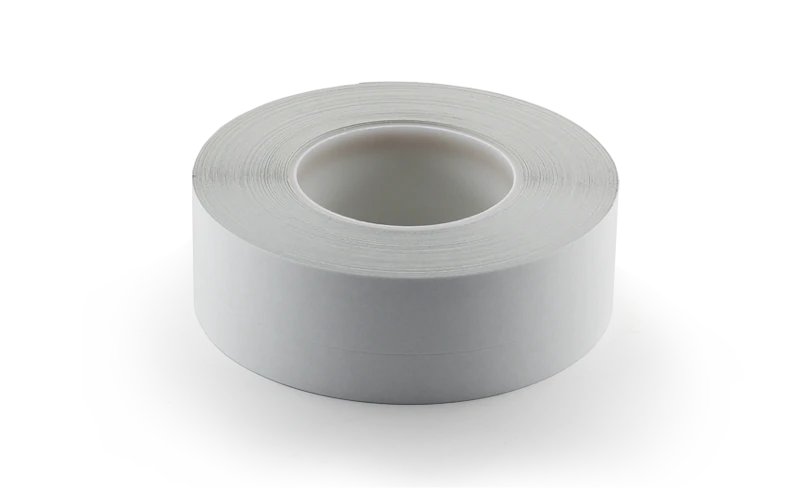
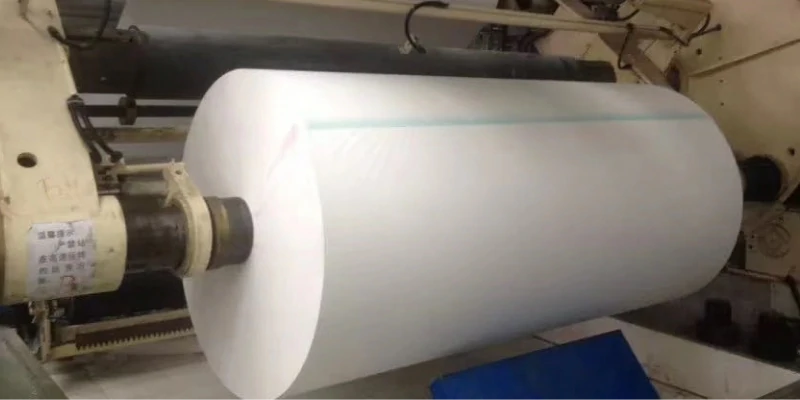
Our Paper Splicing Tape (No. 109) is a premium, high-speed repulpable splicing tape engineered specifically for the demanding requirements of continuous paper mill operations and roll-to-roll processing. Formulated to attach an expiring web to a new paper reel on the fly, this advanced repulpable tape eliminates machine downtime without slowing down line speeds. Featuring a low-profile construction, split release liner, and integrated paper backing with splitting strips, it ensures smooth, immediate bonding across coated and uncoated paper stocks while guaranteeing 100% recycling compatibility.
Engineered for automated web changers, off-machine coaters, supercalenders, and high-speed rewinding systems, Paper Splicing Tape No. 109 resolves the costly challenge of web breaks and line stops during reel transitions. Built with an aggressive, water-dispersible adhesive system, this high-performance paper splicing solution achieves instant surface tack against fast-moving paper webs.
The ultra-thin tape construction keeps total splice profile thickness to an absolute minimum, allowing the spliced joint to pass smoothly through narrow blade coaters, printing nips, and calendering rolls without causing web jams or equipment damage. Furthermore, the specialized paper backing incorporates splitting strips that facilitate smooth reel opening upon contact. Because both the carrier substrate and adhesive matrix dissolve completely in standard repulping systems, paper waste and spliced roll trim can be recycled directly back into the hydrapulper without sticky adhesive residue or pulp contamination.
|
Adhesive |
Water soluble Modified Acrylic Adhesive |
|
Backing |
60g/㎡ Repulpable Paper |
|
Liner |
90g/㎡ Slitting Silicone coated paper |
|
Tape Thickness |
110±5 um |
|
Separatable Layer |
110 um to 120 um |
|
Tape color |
Blue |
|
Ball tack at 25℃ |
Ball No.11 |
|
Adhesion to Steel: |
900gf/25mm |
|
Heat Resistance |
150 ℃ |
A: Yes. Both the paper backing substrate and the pressure-sensitive adhesive system are 100% repulpable according to industry TAPPI standards, meaning the tape dissolves completely during hydrapulping without creating sticky adhesive contaminants in recycled pulp.
A: The integrated splitting strips allow the new paper reel to be held securely during setup and acceleration, then separate smoothly upon splice contact so the new web unfolds cleanly without tearing the paper surface or interfering with downstream coating processes.
A: Yes. The high-tack water-dispersible adhesive is engineered to penetrate both smooth, non-porous coated papers and porous, uncoated paper stocks for instant splice reliability.
A: A low splice profile ensures the joint passes safely through tight coater blades, printing nips, and supercalender rolls without catching, tearing the web, or damaging expensive machinery components.
A: Yes. No. 109 is specifically designed for automatic high-speed flying splicers, allowing paper mills and printing plants to change rolls seamlessly at full operating speeds.