Choosing the right masking tape can make the difference between sharp professional paint lines and frustrating paint bleed. When comparing blue vs green painters tape, many contractors, automotive refinishers, and DIY painters wonder which option delivers better adhesion, cleaner removal, and superior surface performance.
While both tapes are designed for masking and paint protection, they serve different purposes depending on the surface type, painting environment, and finishing requirements. Understanding the difference between blue and green painters tape helps you select the right solution for interior walls, textured surfaces, exterior painting, automotive refinishing, and precision masking applications.
This guide compares green painters tape, blue painters tape, and professional-grade masking solutions to help you choose the best tape for your next project.
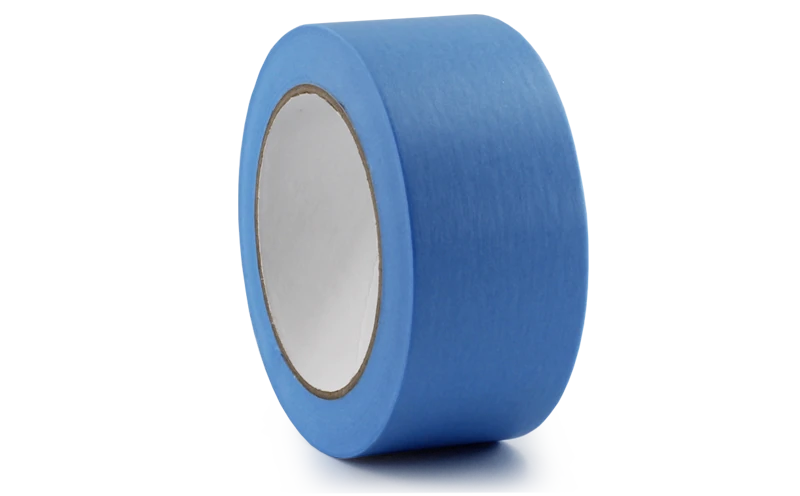
Blue Painters Tape: General Purpose Indoor Masking Tape
Blue painters tape is the standard masking tape commonly used for interior painting and general decorating projects. It is typically manufactured with crepe paper backing and medium-adhesion adhesive systems designed for clean removal on delicate or finished surfaces.
Blue tape is popular among homeowners and contractors because it is easy to apply, easy to remove, and suitable for a wide range of indoor applications.
Main Features of Blue Painters Tape
- Medium adhesion level
- Easy hand tearing
- Clean removal from finished surfaces
- Good short-term UV resistance
- Suitable for painted walls, trim, and glass
- Cost-effective for general projects
Common Applications
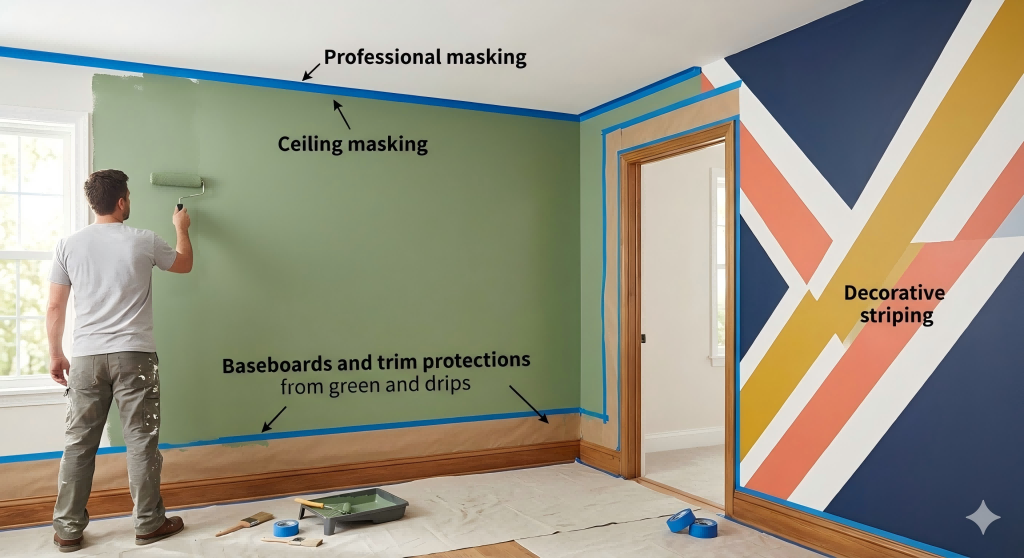
Blue painters tape is widely used for:
- Interior wall painting
- Ceiling masking
- Baseboards and trim protection
- Decorative striping
- DIY painting projects
- Light-duty exterior use
For standard residential painting, blue tape remains one of the most widely used masking solutions.
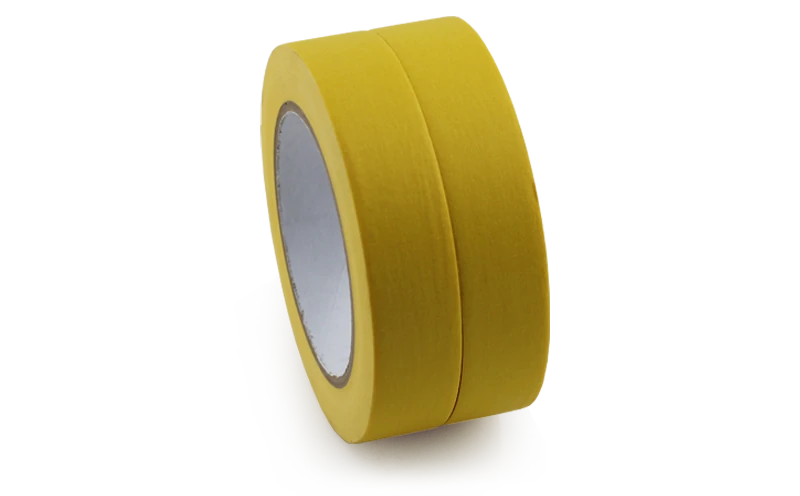
Green Painters Tape: Professional High-Performance Masking Tape
Green painters tape is generally considered a professional-grade masking tape designed for demanding environments requiring sharper paint lines, stronger adhesion, and better weather resistance.
Many premium professional painters tape products use Washi paper backing combined with advanced acrylic adhesives to improve edge sharpness and prevent paint seepage.
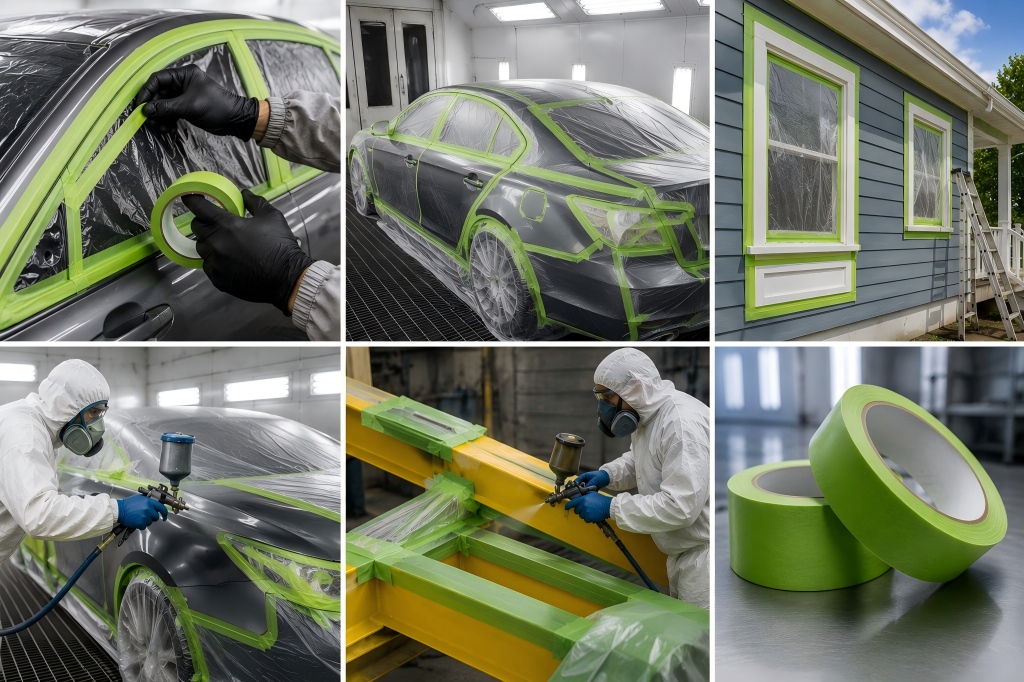
Green masking tape is commonly used in automotive refinishing, exterior painting, industrial coatings, and textured surface masking.
Main Features of Green Painters Tape
- Higher adhesion strength
- Superior paint bleed resistance
- Sharper paint edges
- Better UV resistance
- Higher heat resistance
- Excellent conformability
- Suitable for rough and textured surfaces
Common Applications
Green painters tape is ideal for:
- Automotive masking
- Spray booth painting
- Exterior wall painting
- Stucco and brick surfaces
- Industrial painting
- High-temperature bake cycles
Its stronger adhesion and cleaner paint lines make it a preferred option for professional painting contractors.
Blue vs Green Painters Tape: Key Differences
1. Adhesion Strength
One of the biggest differences between blue and green painters tape is adhesive performance.
Blue Painters Tape
Blue tape uses medium adhesion, making it safer for:
Fresh paint, wallpaper, delicate drywall, and finished wood.
Green Painters Tape
Green tape offers stronger adhesion for:
Concrete, brick, stucco, exterior walls, and automotive panels.
If you are working on rough or uneven surfaces, green painters tape generally provides better holding power.
2. Paint Line Quality
Best Tape for Sharp Paint Lines
Sharp paint edges are critical for professional-looking finishes.
Blue Tape Performance
- Works well on smooth surfaces
- Acceptable edge sealing
- Slightly higher chance of paint bleed on textured surfaces
Green Tape Performance
- Better edge sealing
- Reduced paint seepage
- Cleaner, sharper paint lines
- Ideal for spray painting and precision masking
Professional painters often prefer green Washi masking tape because the thinner backing seals tightly against surfaces.
3. Surface Compatibility
Blue Painters Tape
Best suited for smooth painted walls, cabinets, glass, finished trim, and indoor drywall.
Green Painters Tape
Best suited for brick, concrete, textured walls, outdoor surfaces, and automotive body panels.
This is one of the most important considerations when evaluating the difference between blue and green painters tape.
4. UV and Weather Resistance
Exterior Painters Tape Comparison
Outdoor projects require masking tape that can withstand UV exposure and weather conditions.
Blue Tape
- Moderate UV resistance
- Suitable for short-term outdoor masking
Green Tape
- Superior UV resistance
- Longer outdoor durability
- Better moisture resistance
- Extended clean removal performance
For exterior painting projects, green painters tape usually performs better over longer exposure periods.
5. Heat Resistance
Professional automotive and industrial applications often involve elevated temperatures.
Blue Tape
- Standard heat resistance
- Suitable for normal household painting
Green Tape
- Higher temperature resistance
- Compatible with paint booth curing cycles
- Better for automotive refinishing
Green automotive Washi tape may withstand temperatures up to 100°C–120°C depending on specifications.
Which Tape Is Better for Professional Painters?
Professional contractors often use both types depending on the project.
Choose Blue Painters Tape If You Need:
- General interior painting
- Delicate surface masking
- Cost-effective solutions
- DIY painting projects
Choose Green Painters Tape If You Need:
- Precision paint lines
- Automotive masking
- Exterior applications
- Rough surface adhesion
- High-temperature resistance
Best Applications for Blue Painters Tape
Blue tape performs well in:
- Interior wall painting
- Ceiling edging
- Furniture protection
- Decorative striping
- Temporary masking
It remains one of the most popular tapes for homeowners and general contractors.
Best Applications for Green Painters Tape
Green painters tape is ideal for:
- Automotive paint masking
- Exterior painting
- Spray booth applications
- Industrial coating
- Textured surfaces
- High-humidity environments
Its stronger adhesion and sharper paint edge performance make it a favorite among professional painters.
Common Mistakes When Choosing Painters Tape
- Using Blue Tape on Rough Surfaces: Blue tape may lift or allow paint seepage on textured walls or masonry.
- Using High-Adhesion Green Tape on Delicate Surfaces: Strong adhesive tapes may damage fresh paint or wallpaper if left too long.
- Ignoring Removal Time: Even professional painters tape should be removed within the recommended time window to avoid residue or difficult removal.
Final Thoughts
When comparing blue vs green painters tape, the right choice depends on your project requirements, surface type, and painting conditions.
Blue painters tape is ideal for general interior painting and delicate surfaces where clean removal is the priority. Green painters tape offers stronger adhesion, sharper paint lines, better UV resistance, and higher heat resistance for professional and exterior applications.
For contractors, automotive refinishers, and precision painters, professional-grade green Washi tape often delivers superior performance. For homeowners and everyday indoor projects, blue painters tape remains a reliable and economical solution.
Choosing the correct professional painters tape not only improves paint quality but also reduces rework, paint bleed, and surface damage — helping you achieve cleaner, faster, and more professional results every time.