When working in the entertainment or photography industry, the most critical question regarding equipment management is: does gaffers tape leave residue? Generally, gaffer tape is specifically engineered to provide a temporary hold without leaving a sticky mess or damaging the surface underneath. However, the actual outcome depends on factors like adhesive type, surface material, environmental conditions, and how long the tape is applied.
This guide explains everything you need to know about gaffer tape residue, how to prevent it, and how to remove gaffer tape residue effectively if it occurs.
What Is Gaffer’s Tape and Why is Gaffer Tape Usually Residue-Free?
Gaffer’s tape is a cloth-backed adhesive tape commonly used in:
- Film and television production
- Stage and event setups
- Photography studios
- Cable management and temporary fixes
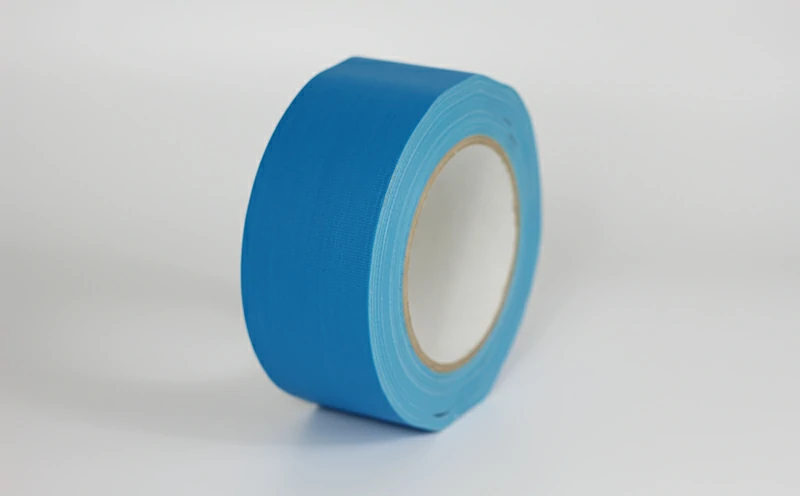
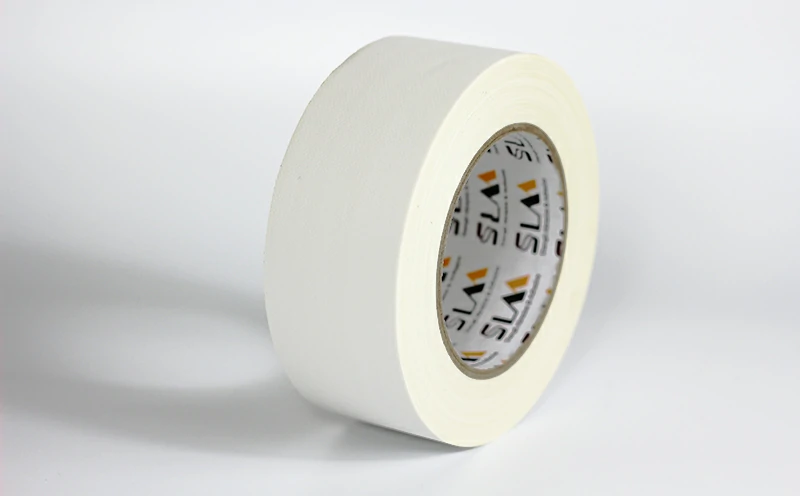
Gaffers tape is made from heavy cotton cloth and typically utilizes a specialized adhesive formulated to be strong enough to secure cables but gentle enough to be removed cleanly. Unlike duct tape, which is intended for permanent bonds, high-quality low tack gaffer tape is designed for "quick-stick" and easy release.
Factors That Cause Gaffer Tape Residue
While the product is designed for clean removal, several environmental and physical factors can lead to gaffer tape residue:
- Duration of Application: If the tape is left on a surface for an extended period, the adhesive may bond too strongly, leading to residue or surface damage upon removal.
- Temperature and Humidity: Extreme heat or high humidity can alter adhesive properties, making the tape more prone to leaving a "gooey" mess.
- Surface Type: Smooth, non-porous surfaces allow for the cleanest removal. Rough or porous materials are more likely to trap adhesive particles.
- Quality of Tape: High-quality tapes—especially those using natural rubber adhesive—are far less likely to leave residue compared to cheaper alternatives.
Natural Rubber vs. Synthetic Adhesive: Which is Better?
To minimize the need for gaffer tape residue removal, it is essential to understand the adhesive type used in your tape.
Natural Rubber Adhesive
Natural rubber is characterized by long polymer chains that provide excellent flexibility and strength.
- Benefits: It offers excellent peel adhesion to various surfaces and maintains high initial tack.
- Outcome: It is specifically known for being residue-free after removal, even in low temperatures.
Synthetic Rubber Adhesive (Hot Melt)
Often referred to as "Hot Melt" or SBS/SIS, these adhesives are common in lower-cost tapes.
- Disadvantage: They often struggle to maintain adhesion in cold weather.
- Outcome: These tapes are significantly more likely to leave residue after being removed.
Natural rubber adhesive |
VS. |
Synthetic rubber adhesive |
Pro Tips: How to Remove Gaffer Tape Glue and Residue
If you find yourself needing to remove gaffer tape residue, follow these steps to protect your surfaces:
- Prompt Removal: For best results, always remove your tape immediately after the job is finished.
- Peel Slowly: Rapidly yanking the tape can cause the adhesive to "shock" and separate from the cloth backing.
- Temperature Control: Avoid leaving tape in direct sunlight or high-heat environments for more than 24 hours.
If residue does occur, don’t worry. Here’s how to remove gaffer tape residue safely:
- The "Dab" Method: If slight gaffer tape residue remains, take a fresh piece of gaffer tape and gently "dab" the sticky area; the adhesive on the tape will often pull the residue off the surface.
- Warm Soapy Water: Best for light residue, gentle and surface-safe.
- Isopropyl Alcohol: Effective on metal, glass, and plastics, removes adhesive quickly.
- Adhesive Removers: Commercial solutions for stubborn residue, ideal for industrial or heavy-duty cleanup.
- Heat Method: Use a hairdryer to soften adhesive, wipe clean with a cloth.
- Oil-Based Solutions: Use cooking oil or citrus cleaners, breaks down sticky glue effectively.
Important tips:
Always test any cleaning method on a small, inconspicuous area first to ensure it doesn't damage the surface. Avoid using harsh chemicals or abrasive materials that could scratch or damage the surface. For stubborn residue, you may need to repeat the cleaning process several times.
Experience the SLAA Difference
Choosing the right tape is the only way to avoid the headache of gaffer tape residue removal. At SLAA, our gaffer tapes are manufactured exclusively with high-performance natural rubber adhesive. This ensures a superior bond that remains flexible at low temperatures and pulls away cleanly every time, leaving your equipment and floors spotless.
Don't let sticky residue ruin your gear. Switch to SLAA Professional Gaffer Tape for a residue-free guarantee on every set.