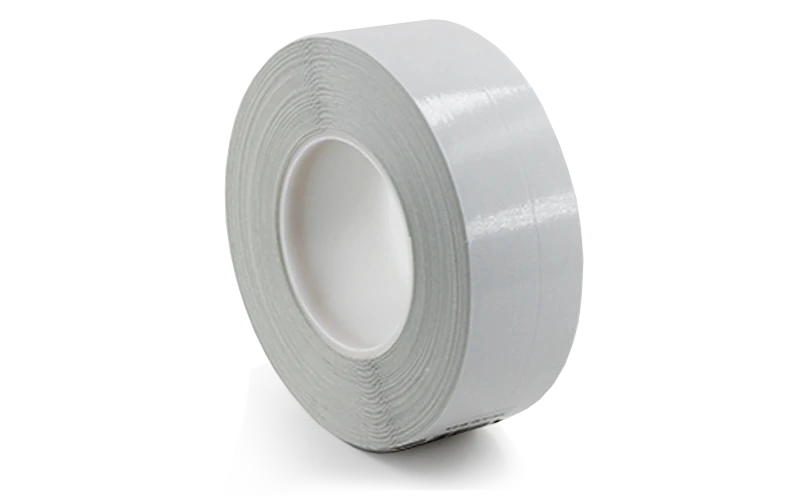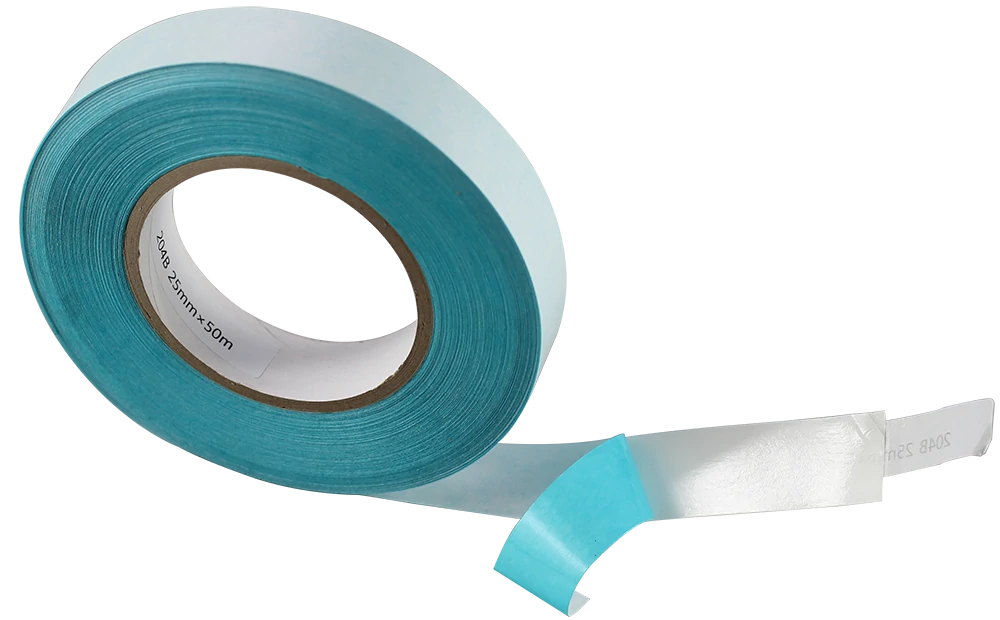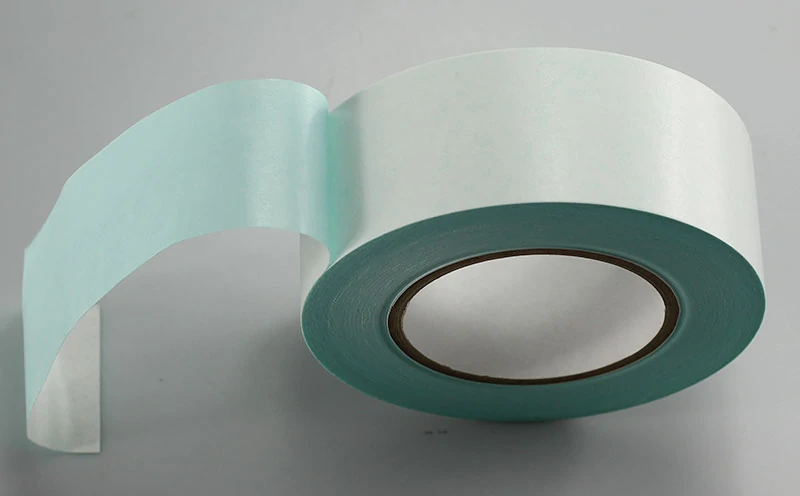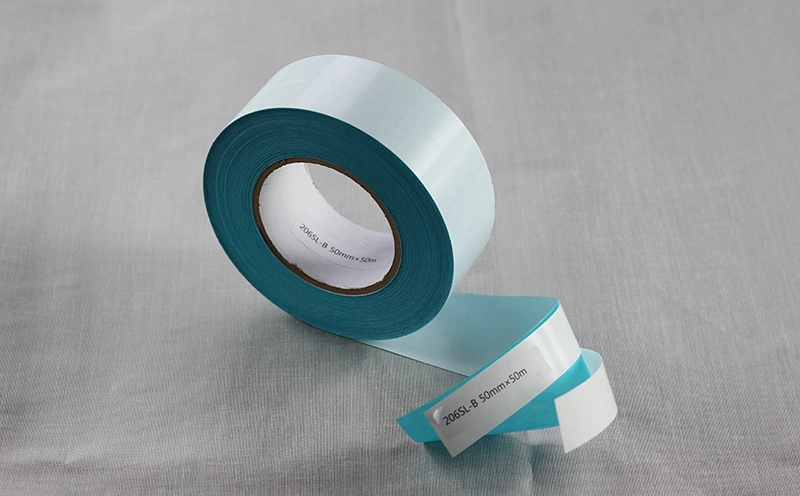
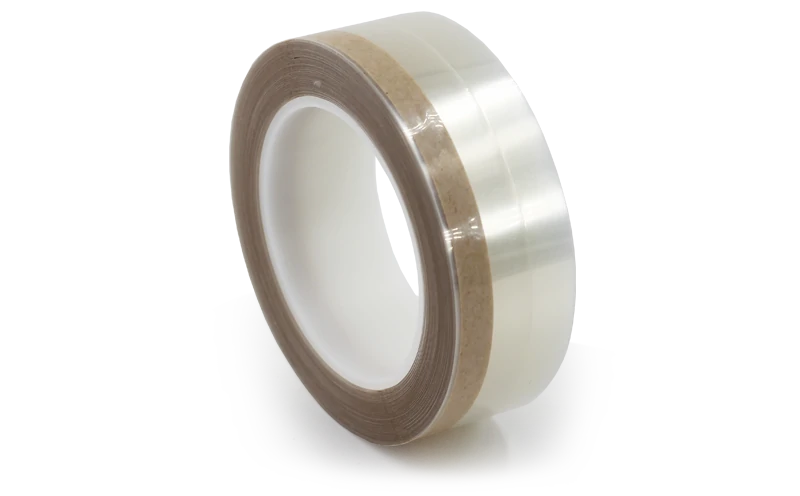
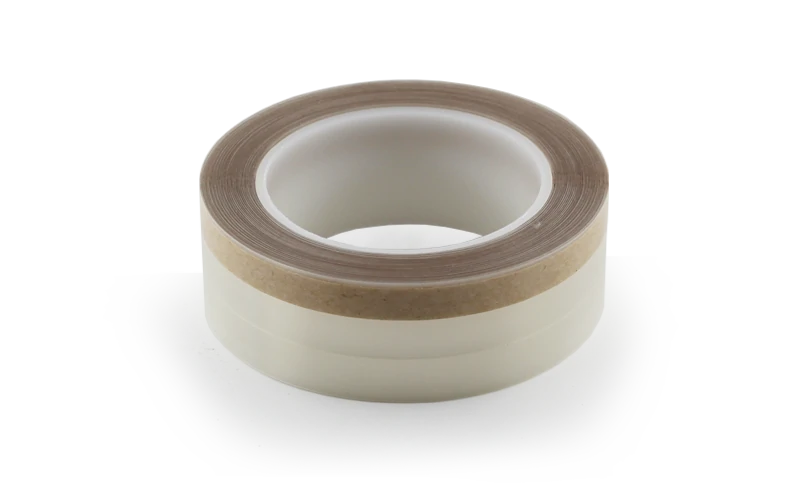
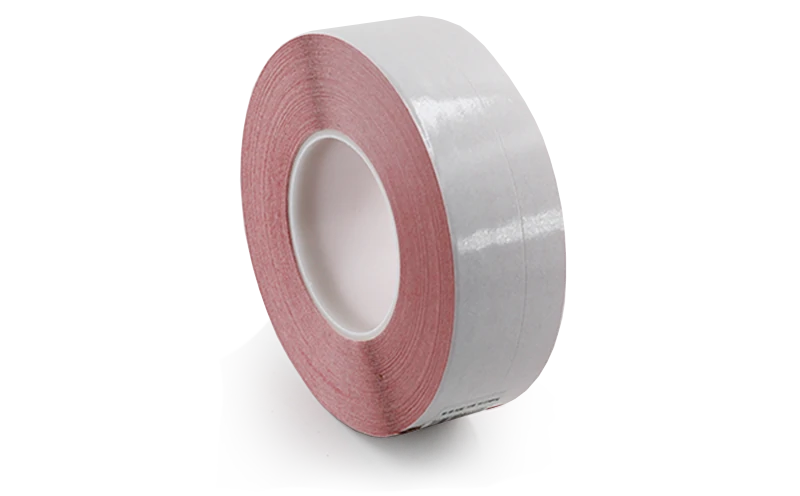
Release Liner Splicing Tape (No. 105C) is an ultra-thin, high-speed flying splice solution meticulously engineered to overcome the bonding challenges of silicone-coated and low surface energy (LSE) materials. Developed specifically for rapid manufacturing lines, this specialized splicing tape allows converters to join expiring rolls to new webs seamlessly on-the-fly. By ensuring maximum tack against traditionally “hard-to-bond” surfaces, it effectively maintains continuous production loops, eliminating expensive press shutdowns, minimizing material scrap, and optimizing machine efficiency..
In high-velocity web processing, rotogravure printing, and release liner manufacturing, machinery downtime due to roll transitions can severely cut into factory profitability. Standard tapes fail to grip silicone release backings, resulting in bond delamination, snapped webs, and prolonged machine re-threading. Our premium Release Liner Splicing Tape provides a definitive remedy. Coated with a state-of-the-art, high-tack pressure-sensitive adhesive matrix, it aggressively bites into silicone release agents and low surface energy plastic films instantly, forming an immediate mechanical joint that survives extreme web tensions.
Constructed upon a highly stable, ultra-thin Polyethylene Terephthalate (PET) carrier, this splicing tape boasts a total functional thickness of just 85 microns (85µm). This ultra-low-profile architecture guarantees that flying joints effortlessly glide through tight print heads, nip rollers, coating blades, and precision slitters without causing "bump" vibrations, roller jumps, or equipment jams.
Furthermore, to accommodate automated optic tracking sensors and vision systems, No. 105C is manufactured in multiple vibrant colors. This design delivers a verified 100% optical recognition rate to prevent tracking omissions while ensuring that splice joints are easily detected and culled post-production. After routing, the adhesive strips away cleanly when required, protecting delicate base substrates from ghosting residue or physical tearing.
| Adhesive | High adhesion adhesive |
| Backing | PET film |
| Liner | Silicone coated |
| Tape Thickness | 85 um |
| Separatable Layer | 110 um to 120 um |
| Tape color | Clear |
| Tack at 25℃ | 40-80N/25mm |
| Splicing speed | 2,500m/min |
| Heat Resistance | -25℃-300 ℃ |
Q1: Why do regular industrial tapes fail to stick to release liners, and how does this product solve it?
A: Release liners are coated with silicone or fluorochemicals to ensure labels peel off easily, which makes them inherently "non-stick" for standard adhesives. Our Release Liner Splicing Tape uses a highly specialized adhesive formulation designed to quickly wet-out and securely bond with silicone-treated and low surface energy (LSE) layers under high dynamic speeds.
Q2: What is the benefit of the 85-micron ultra-thin PET carrier?
A: Thicker tapes create a large "bump" or lip at the splice joint. When running at high web speeds, that lip can strike coating heads, print rollers, or slitting knives, causing the web to tear or damaging the machinery. At just 85µm, our tape passes smoothly through equipment without causing physical jumps or disruptions.
Q3: How does the multiple color availability assist in automated manufacturing lines?
A: Modern converting lines use optical sensors to monitor production quality. By offering the tape in distinct high-contrast colors, we achieve a 100% system recognition rate. This allows computerized quality control systems to instantly identify, track, and automatically discard the spliced sections down-line.
Q4: Does this splicing tape leave sticky residue behind upon removal?
A: No. The pressure-sensitive adhesive provides high shear strength to hold the splice together under immense tension, but it is engineered with clean-peel properties. It detaches smoothly from the target release liner without ghosting, tearing the substrate, or leaving any sticky residue.